Peter Briess

* 1931

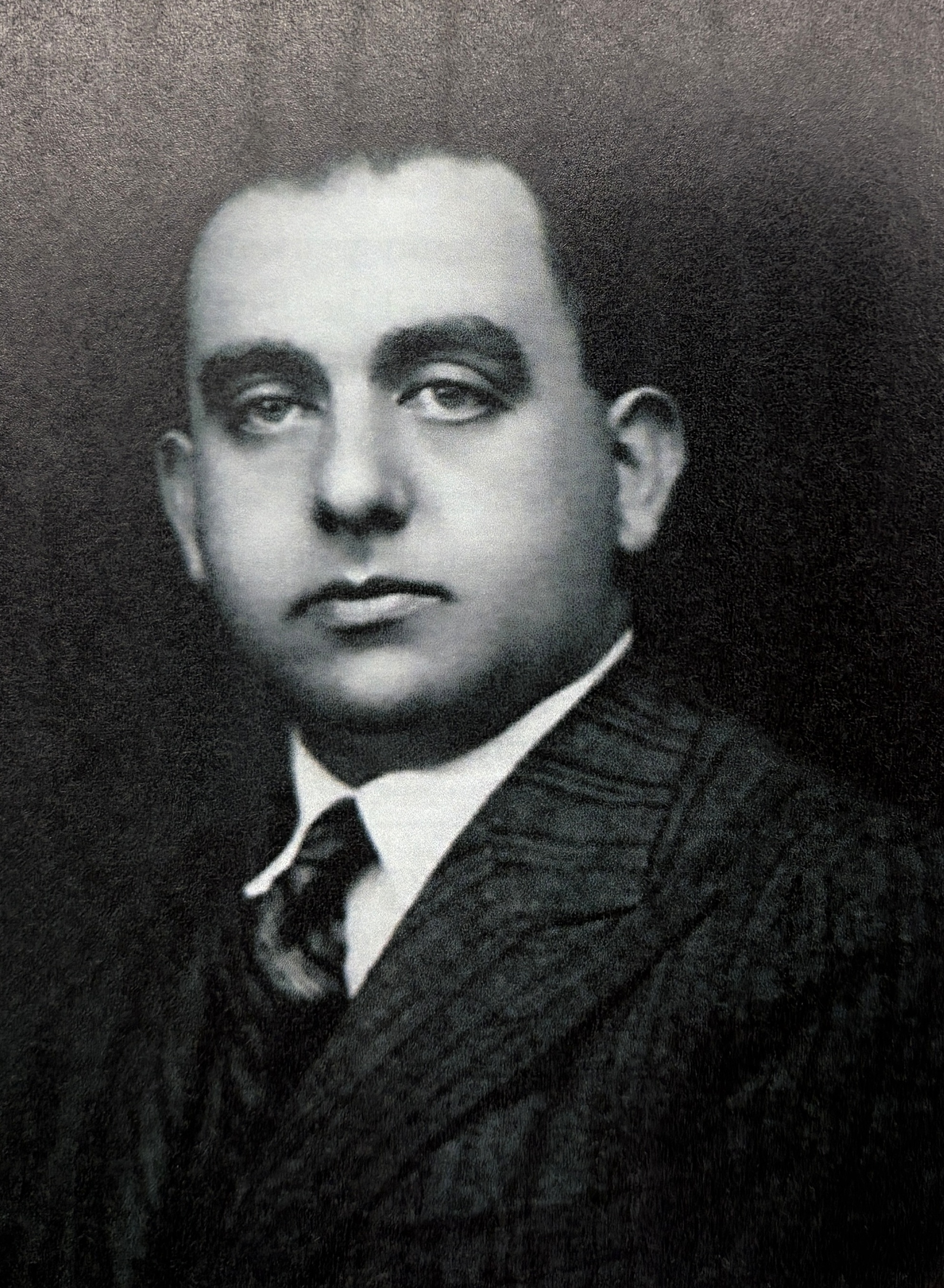
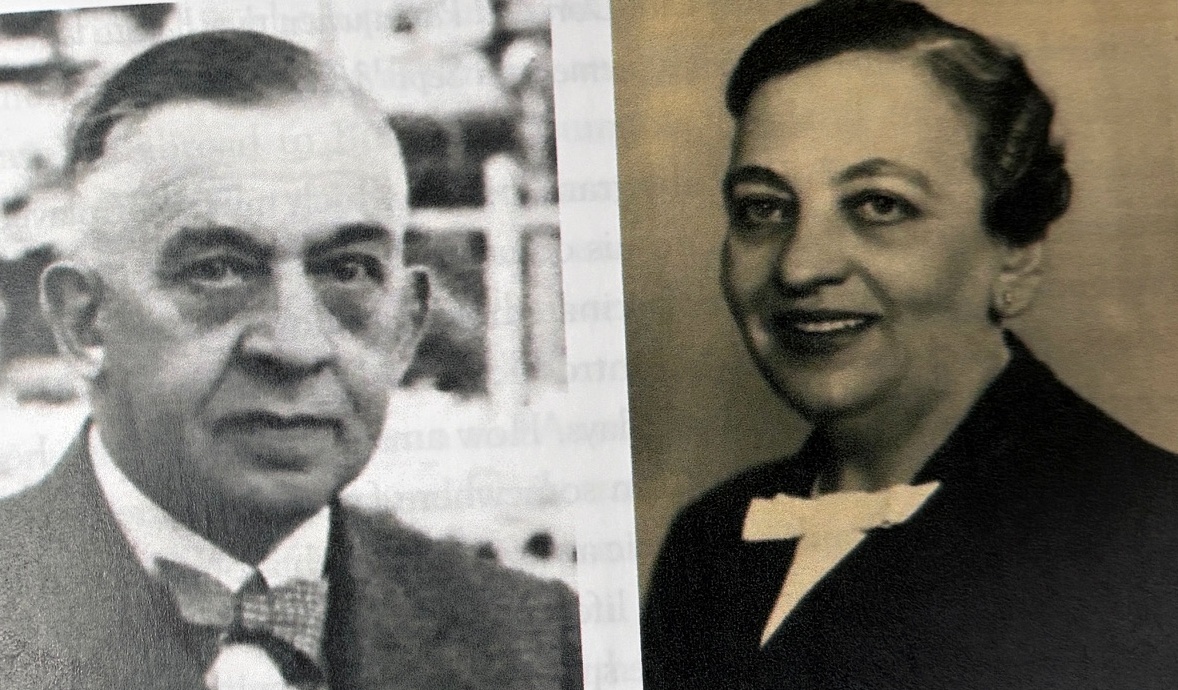
  • "My grandfather died in January 1942. Terrible. It was amazing that my grandmother, Paula Briess, managed to get permission to bury him in the Jewish cemetery in Olomouc, to everyone's surprise. And there he lies to this day. And as time went on, I was finally glad that he didn't have to experience the horrors that his wife and his daughter and other relatives suffered six or seven months later. Because they were all sent to Terezín at the end of July, in the middle of the hot summer of 1942. At that time, the gas chambers of Auschwitz were apparently not yet in operation. They spent only two or three weeks in Terezín, I think it was twenty days, before they were crammed into cattle trucks where it was impossible to breathe in the heat and sent on a relatively short journey from Terezín to Auschwitz, but on a long journey east to a place in Belarus called Baranovichi. That journey must have taken several days, and the thought of what they must have experienced during those days is unimaginable to me. They arrived in Baranovichi and, judging by the written reports I have at home, they were dropped off the wagons, told to leave their luggage at the station and made to march several kilometres into the forest where they saw dug-out pits full of dead bodies. And then they shot them in the head in cold blood."

  • "In the first few months that we lived in England and Harpenden, I regularly wrote letters to my grandparents - the Schulhofs and the Briess. I still have those letters and it's almost unbelievable because during the war my grandparents were of course also expelled from their house and went to live with Anuška (the housekeeper). Anuška lived in Holice in a small cottage with two rooms. They lived with Anuška and she took care of them in her little cottage in Holice outside Olomouc. Until the outbreak of the war, during July and August, we could still send letters directly to Olomouc. But then it was no longer possible to communicate directly with Olomouc by mail, because after September 1, the war broke out. However, my parents had friends who lived in Montreux, Switzerland, and the lady became a channel through which we could continue to communicate with their parents until about 1942, when the deportations to Terezín began."

  • "One day, and I'm not sure exactly when it was - this information comes from my father, who told me many years later in England: The adjutant of the Gestapo commander in the city came to his house, knocked on the door of his apartment and said, 'Mr. Briess, you must move out. The commander will live here.' From what my father told me, it seems that he managed to answer the adjutant with sufficient spirit: 'Yes, well, your commander can live here, he can take my flat, but in return he will get exit papers for me and my family to leave Olomouc.' And the agreed. At that time the Germans were more interested in taking all the money they could and getting rid of the Jews."

  • Full recordings
  • 1

    Londýn, 02.02.2026

    (audio)
    duration: 01:25:37
    media recorded in project Stories of 20th Century
  • 2

    Praha, 03.02.2026

    (audio)
    duration: 01:09:27
    media recorded in project Stories of 20th Century
Full recordings are available only for logged users.

We’ve had better luck than others
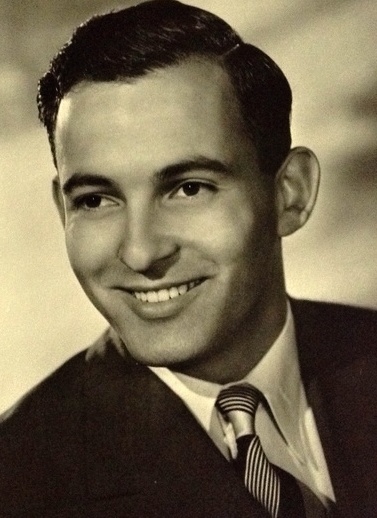
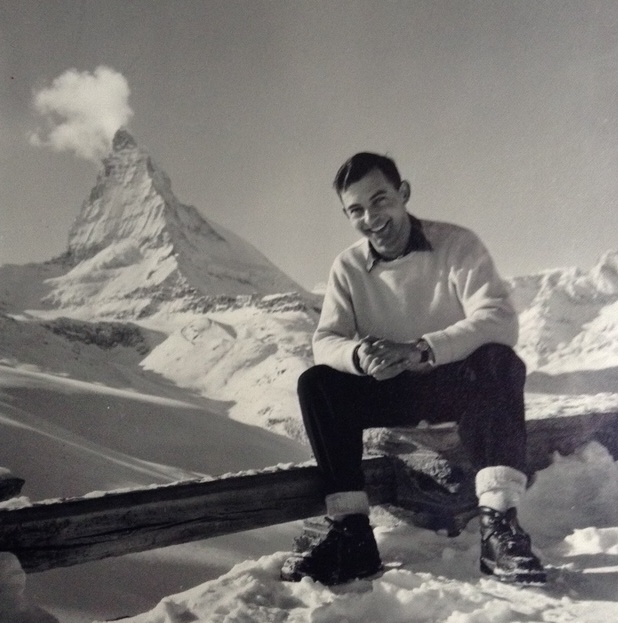
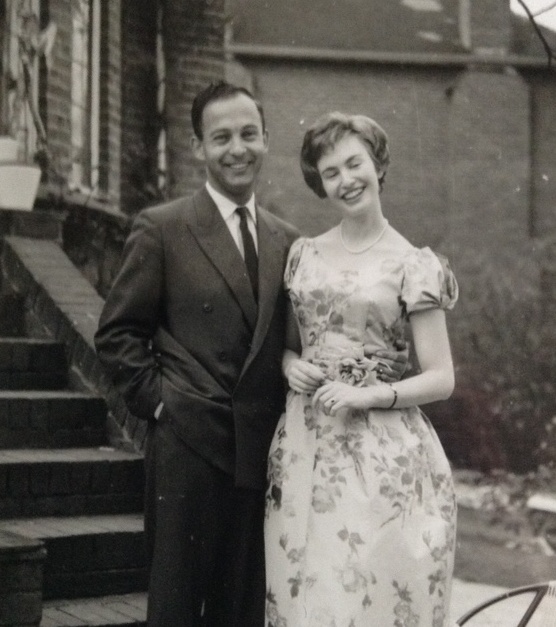
Peter Briess, at the age of 25
photo: Archive of the witness

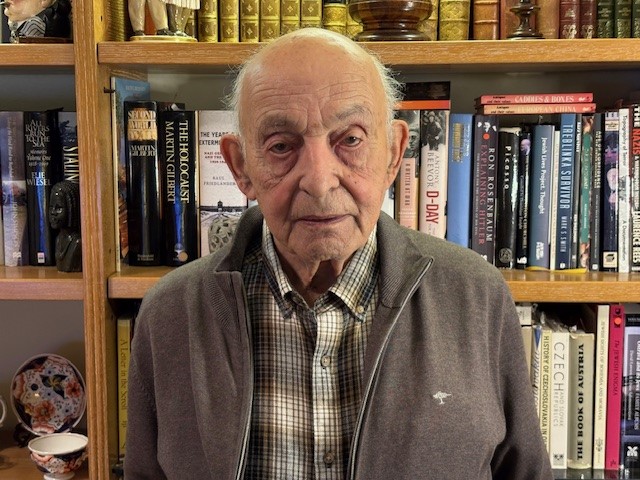
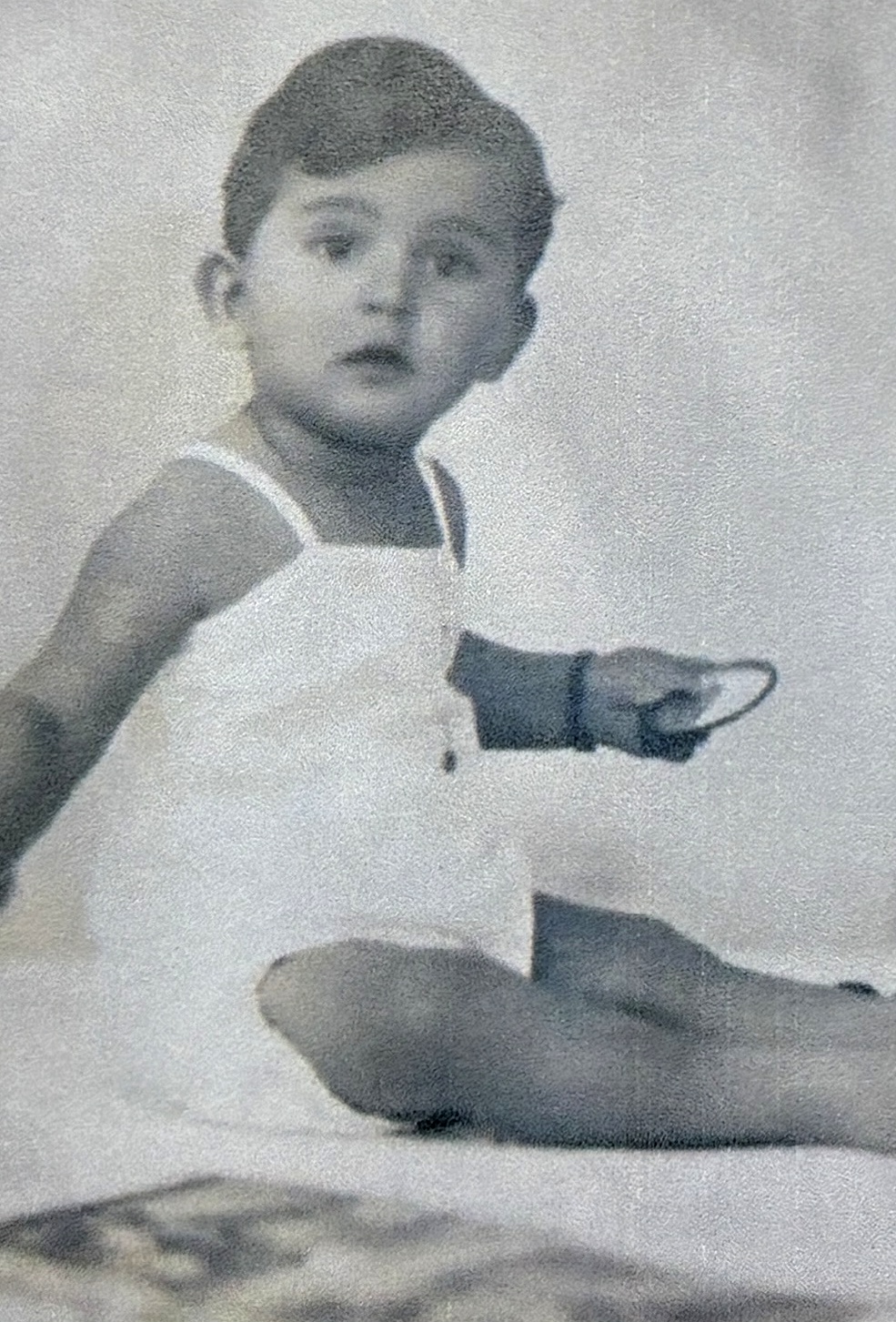
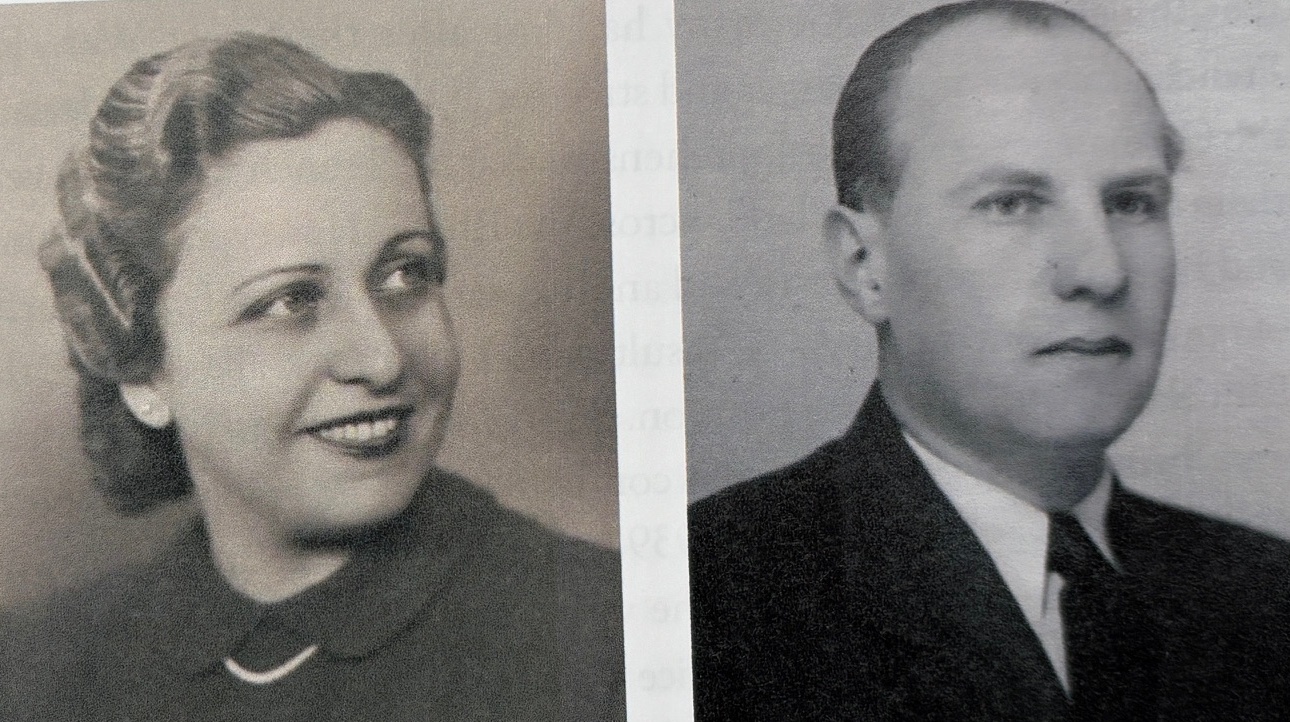
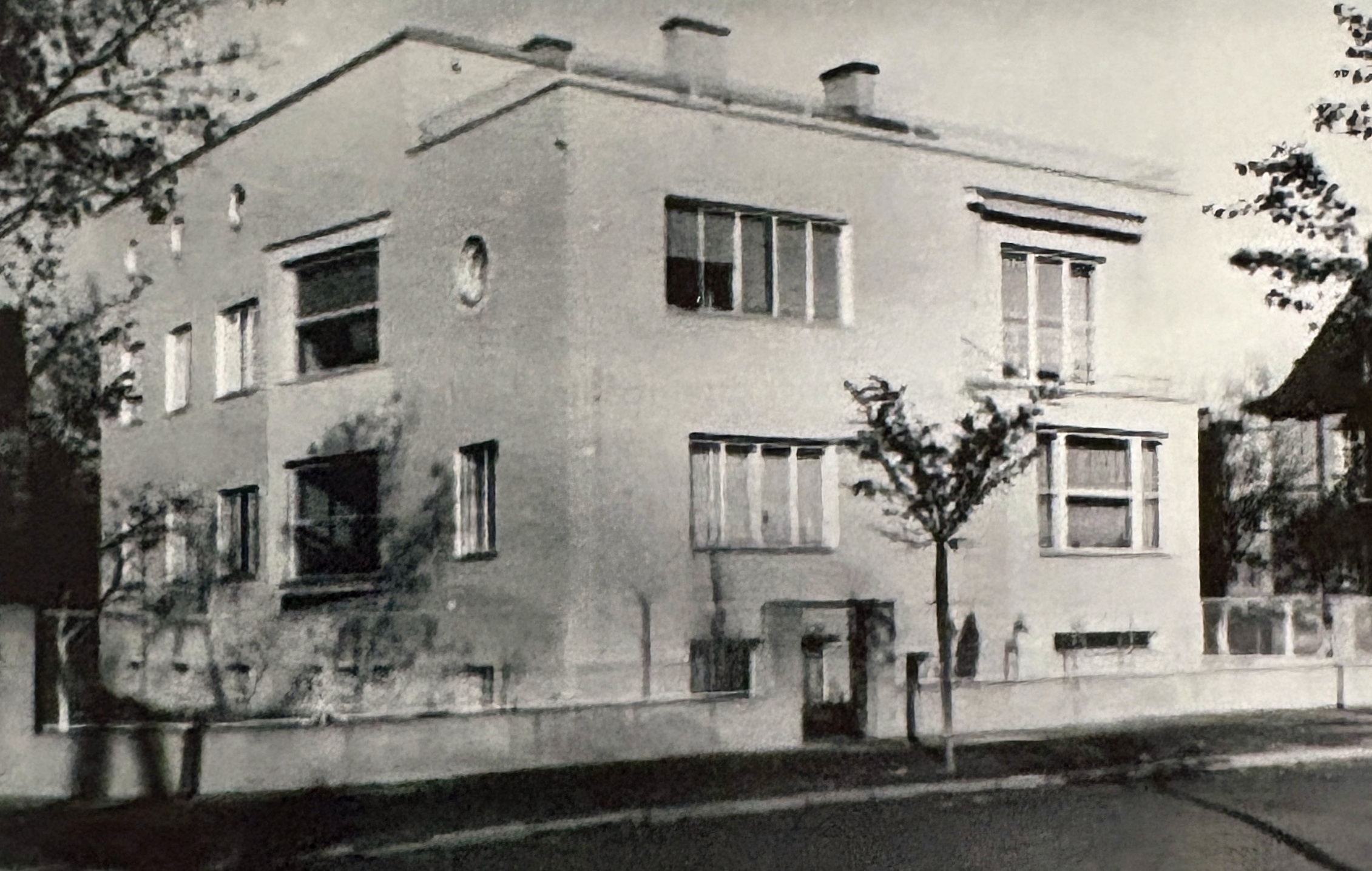
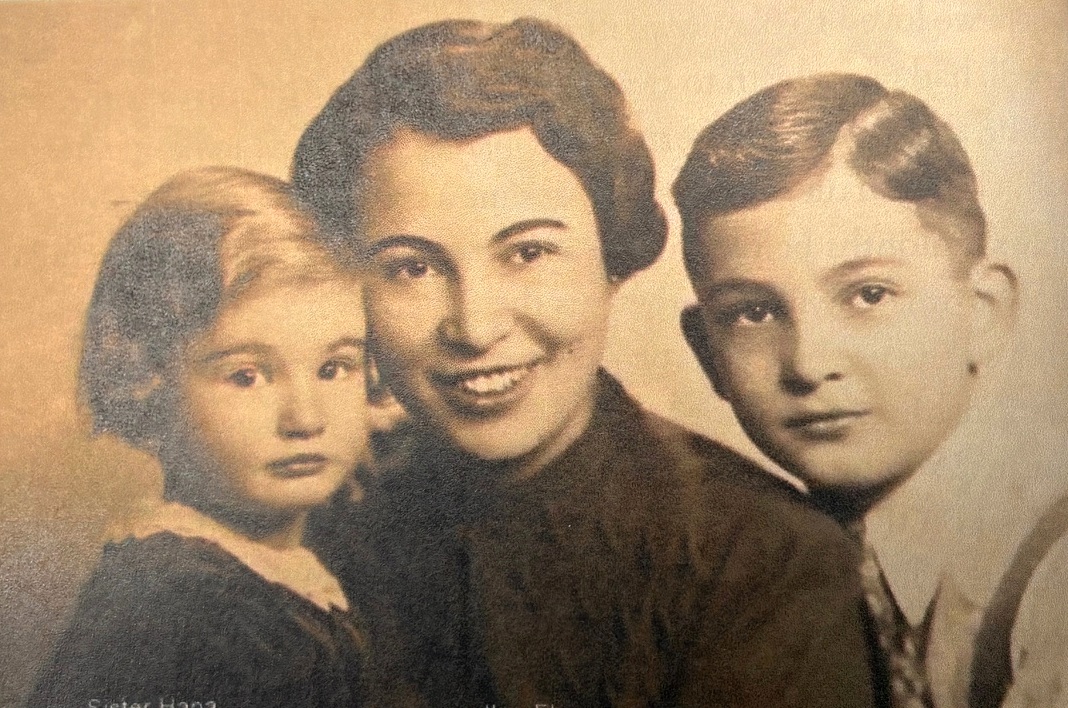
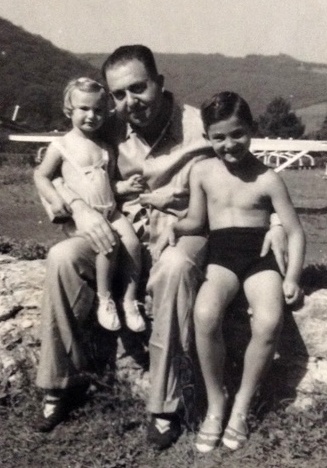
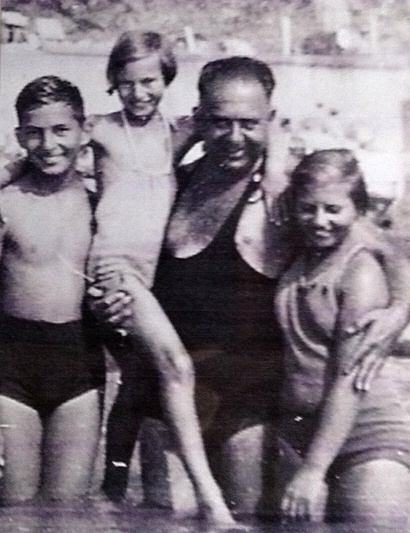
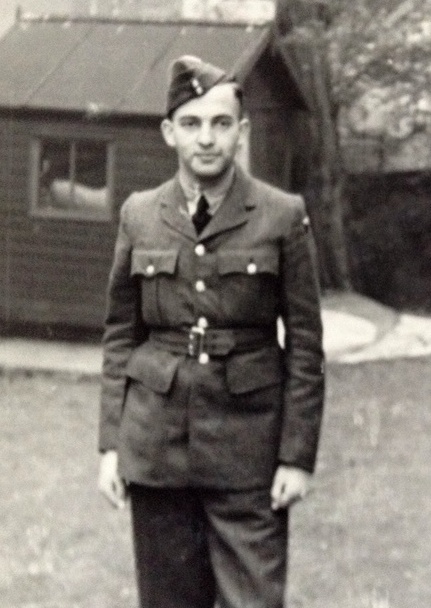
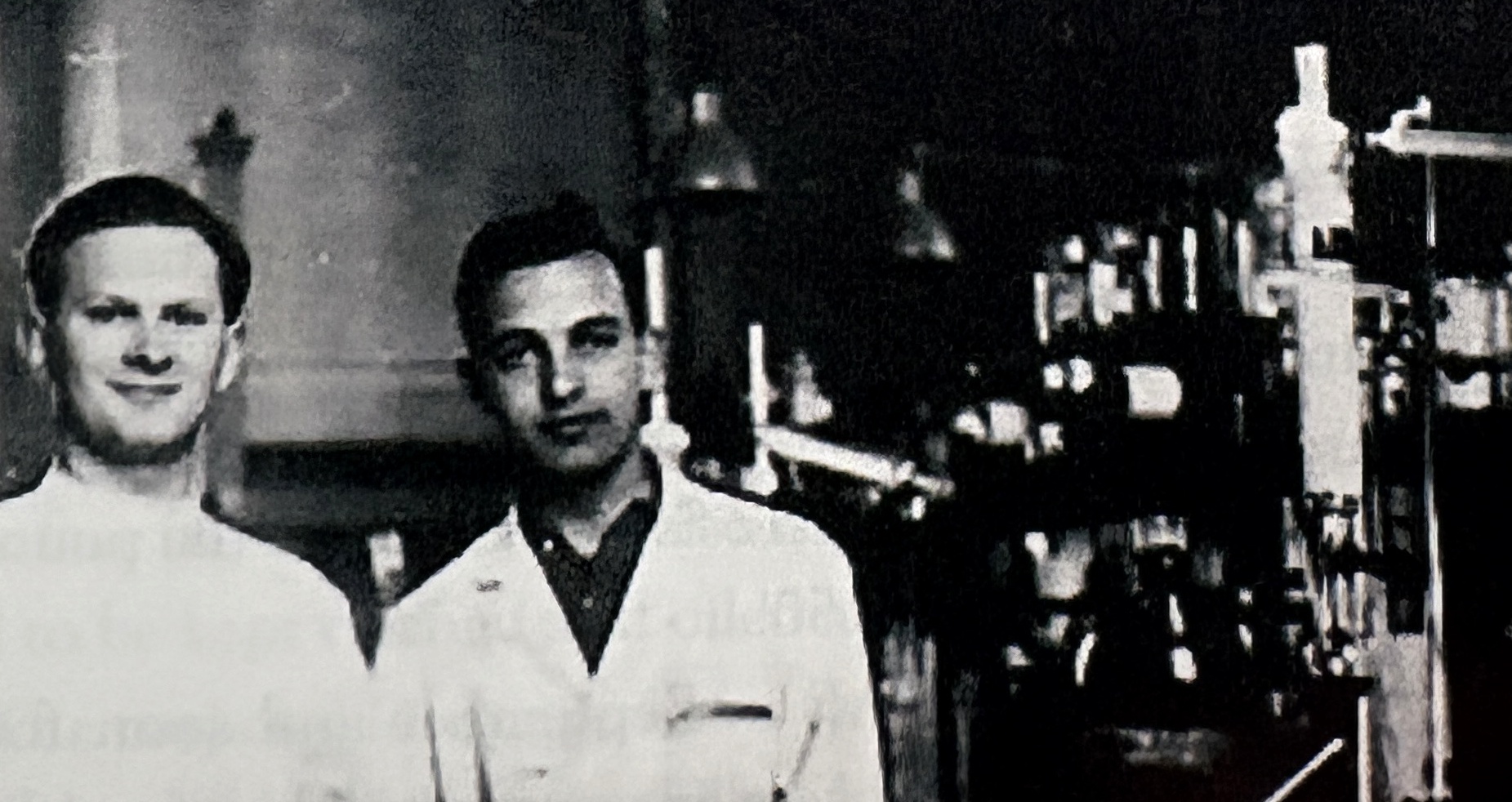
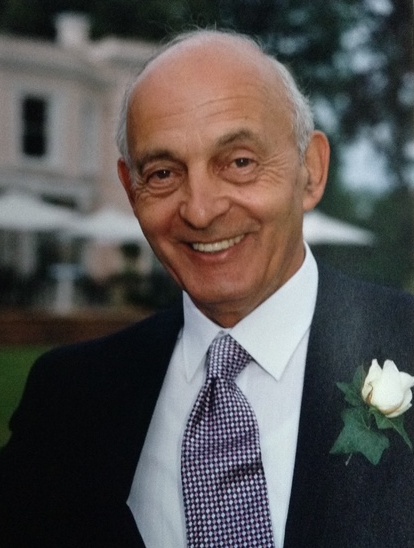
Peter Briess was born on 12 September 1931 in Olomouc into a respectable Jewish family of merchants. His great-grandfather Ignác Briess junior founded a pulse, seed and malt shop in Olomouc in 1870, which was later run by his grandfather Theodor Briess and Peter’s father Hans Briess, a successful food merchant. From 1935 the family lived in the functionalist villa Na Vozovce 12, designed by Jacques Groag. The peaceful life ended on 15 March 1939, when seven-year-old Peter saw German soldiers marching from the window. Hans and Theodor Briess were arrested and the Nazis announced the confiscation of their property. Hans Briess, however, showed extraordinary fortitude: when the Gestapo demanded that the commander be accommodated in their house, he made it a condition for permission to move out. This step saved his life, that of his wife Elsa Briess, and that of his children Peter and Hana. The family fled on 30 June 1939 via Germany to Holland and then to England, arriving there on 2 July 1939. Peter attended schools in Sussex and Harpenden and adapted quickly. He served in the British RAF from 1949-1951. He then studied chemistry at the University of Geneva, graduating in 1954. On his return to London, Peter Briess worked in the pharmaceutical industry, later in the food supplement business and, from the 1970s, in the pharmaceutical equipment business. Together with his son, he later became involved in real estate. The fate of the relatives who remained in Czechoslovakia was tragic: many members of the extended family perished in Terezín, Auschwitz or during mass executions in Belarus. After 1989, Peter and his sister Hana Briess successfully restituted their family home in Olomouc and, after extensive reconstruction, returned it to its original beauty. In 2026 Peter Briess was living in London.