Josef Bartík

* 1937

  • "My mother's cousin had a German for a husband. I don't know how he turned out, he was never mentioned, whether he died before the war, I don't know. But they had a son, his name was Honza. He had to enlist in the German army, in the Wehrmacht. He was not yet twenty, I think eighteen years old, something like that. He came to us in a Wehrmacht uniform. He called my mother 'auntie' and my father 'uncle', but at the same time [it wasn't], she was my mother's cousin, but it didn't matter. My father said to him: 'Honza, you stupid fool, get a grip - run away to the partisans! Throw away your uniform, keep your rifle and go to the partisans, you stupid fool. You're not going over there, wherever they'll chase you - to the east...' Well of course."

  • "Then, when we went, it was after the war, they were gathering Germans in the square who were to be expulsed. I remember seeing them [Revolutionary Guards] lined up around there, and one was walking around with a rifle and beating them to move on. That's what I learned, that he was one of the biggest bastards, so to speak, that [was] here after the war. He had put on his RG tape if he was doing some kind of a chief for them.... But I know that he used to go around those Germans who had a bundle ready for expulsion, so they were gathered there. He was beating up these old ladies and old men..."

  • "A Russian soldier was walking up the street, drunk as a dog, machine-gunned, and firing into the air and shouting. The mother of one of my classmates lived in the house opposite and was in the window. They [the Red Army soldiers] were horny. He saw a woman, so he started to break into the house. Only somebody came running in the back - there was the house of the builder Knor, who was building in Jihlava and had vacated one floor for the military police - so somebody ran in, two soldiers came out of the barrack, we saw, and an officer. Two soldiers with machine guns. They had different caps, with red armbands and stuff. They disarmed that soldier and dragged him back there, as we said, there are barracks there today. When they were dredging there somewhere, they had to dredge up his corpse or remains. We heard shooting and then they said they shot him somewhere and buried him and that was it. Their military police, they were quick to judge. Without a trial, they put him against the wall and shot him."

  • Full recordings
  • 1

    Jihlava, 24.11.2025

    (audio)
    duration: 02:27:35
    media recorded in project Stories of 20th Century
Full recordings are available only for logged users.

My father was kicked off the railroad by the Communists, and then we were evicted from our apartment
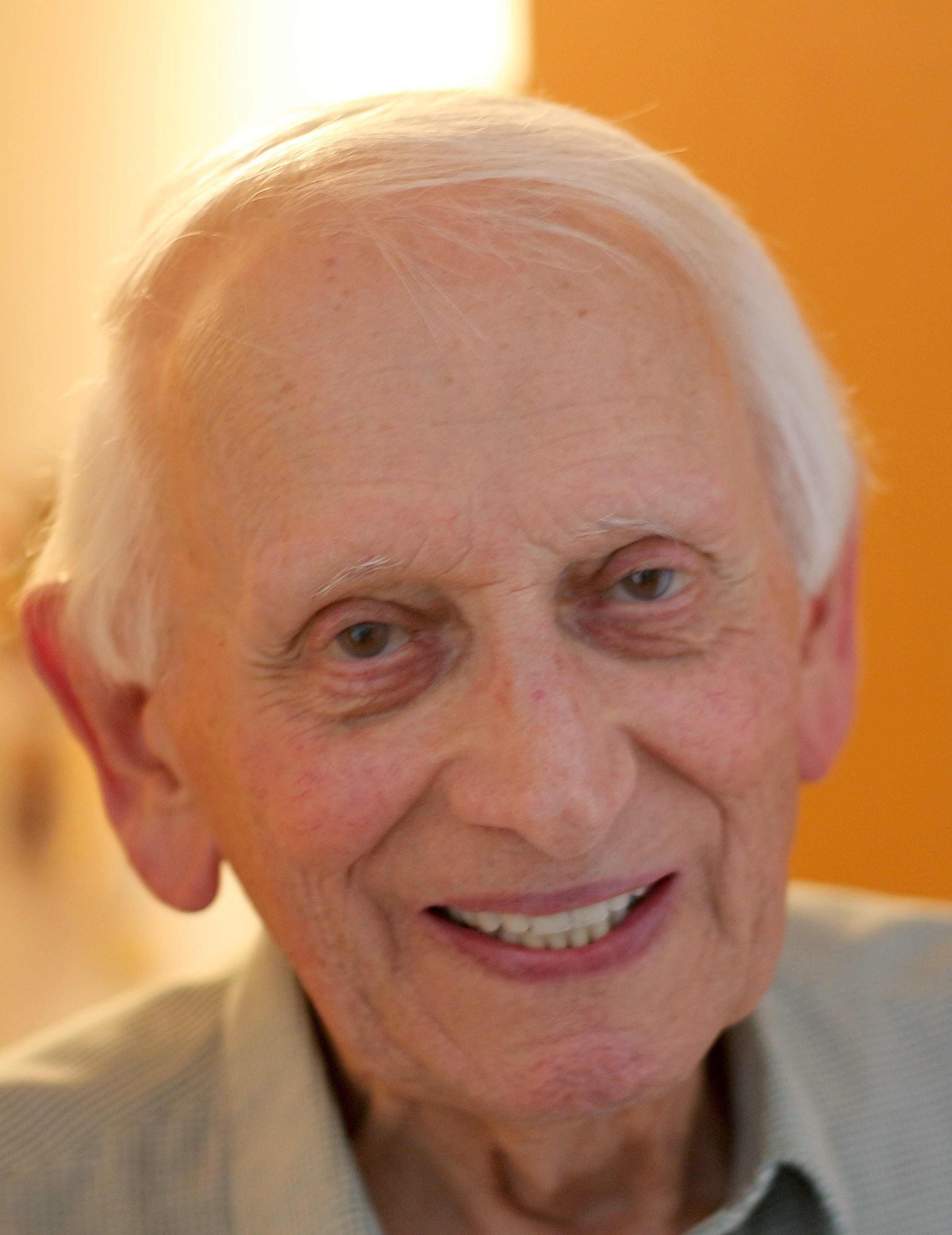
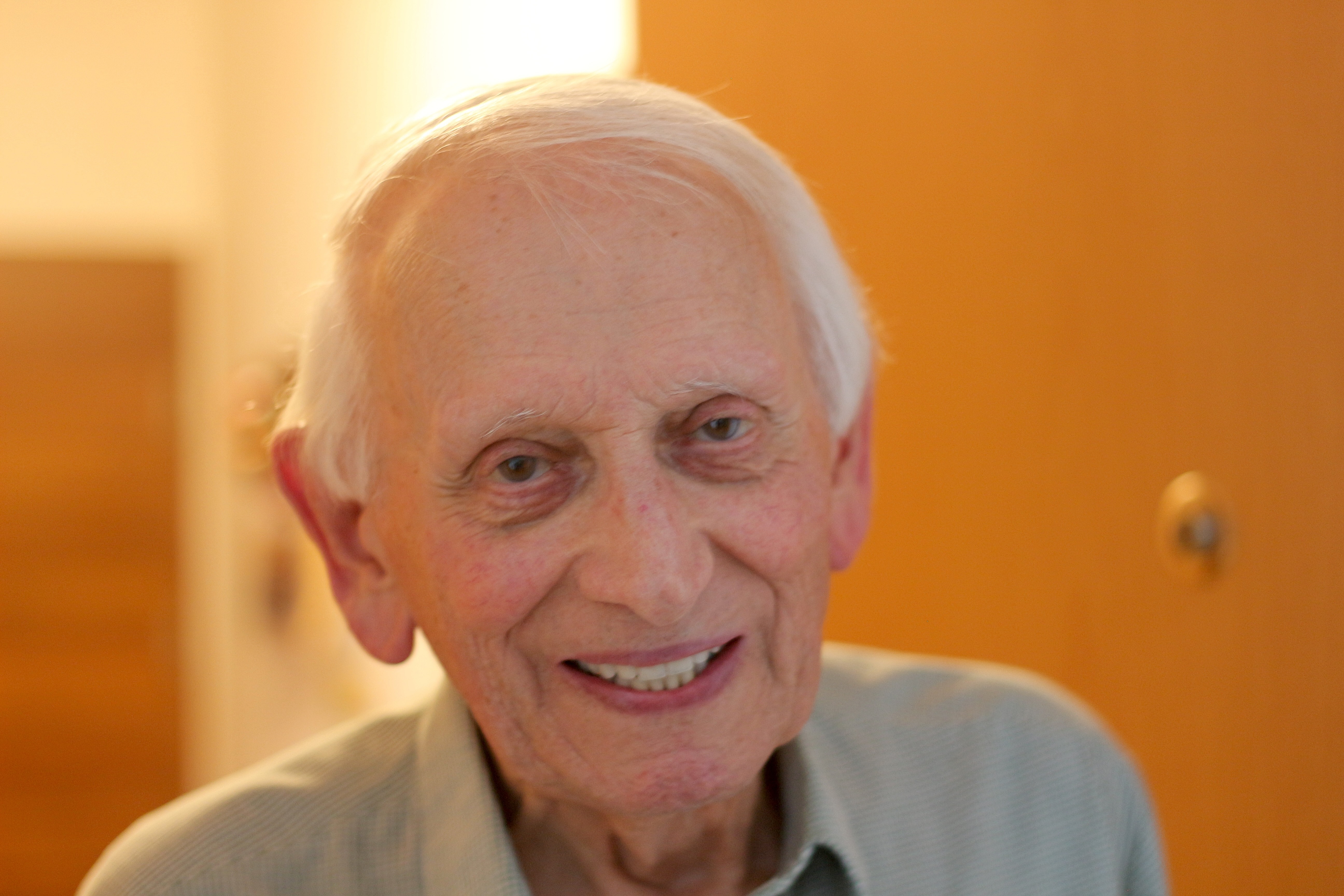
Josef Bartík in 2025
photo: Post Bellum (Rostislav Šíma)

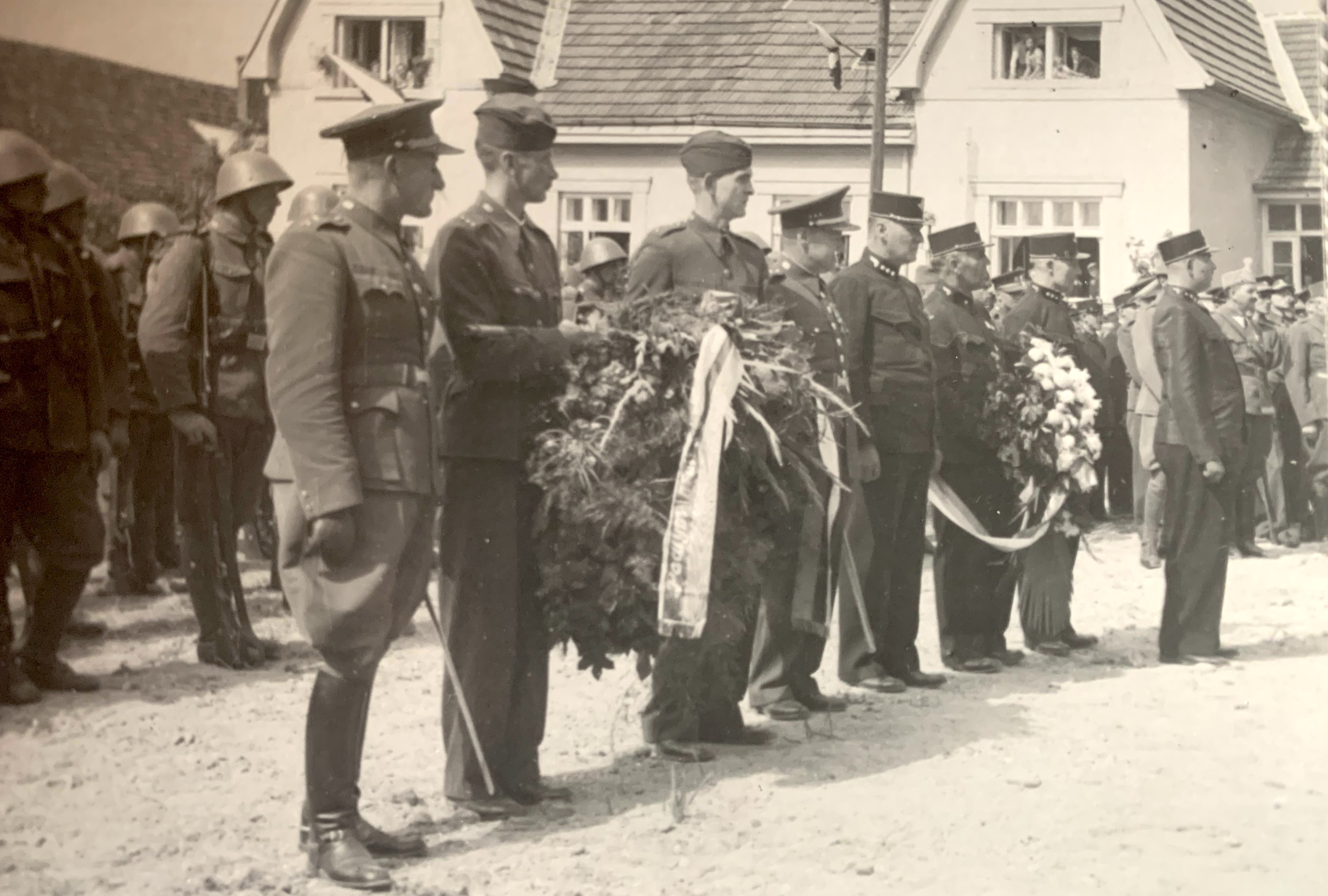
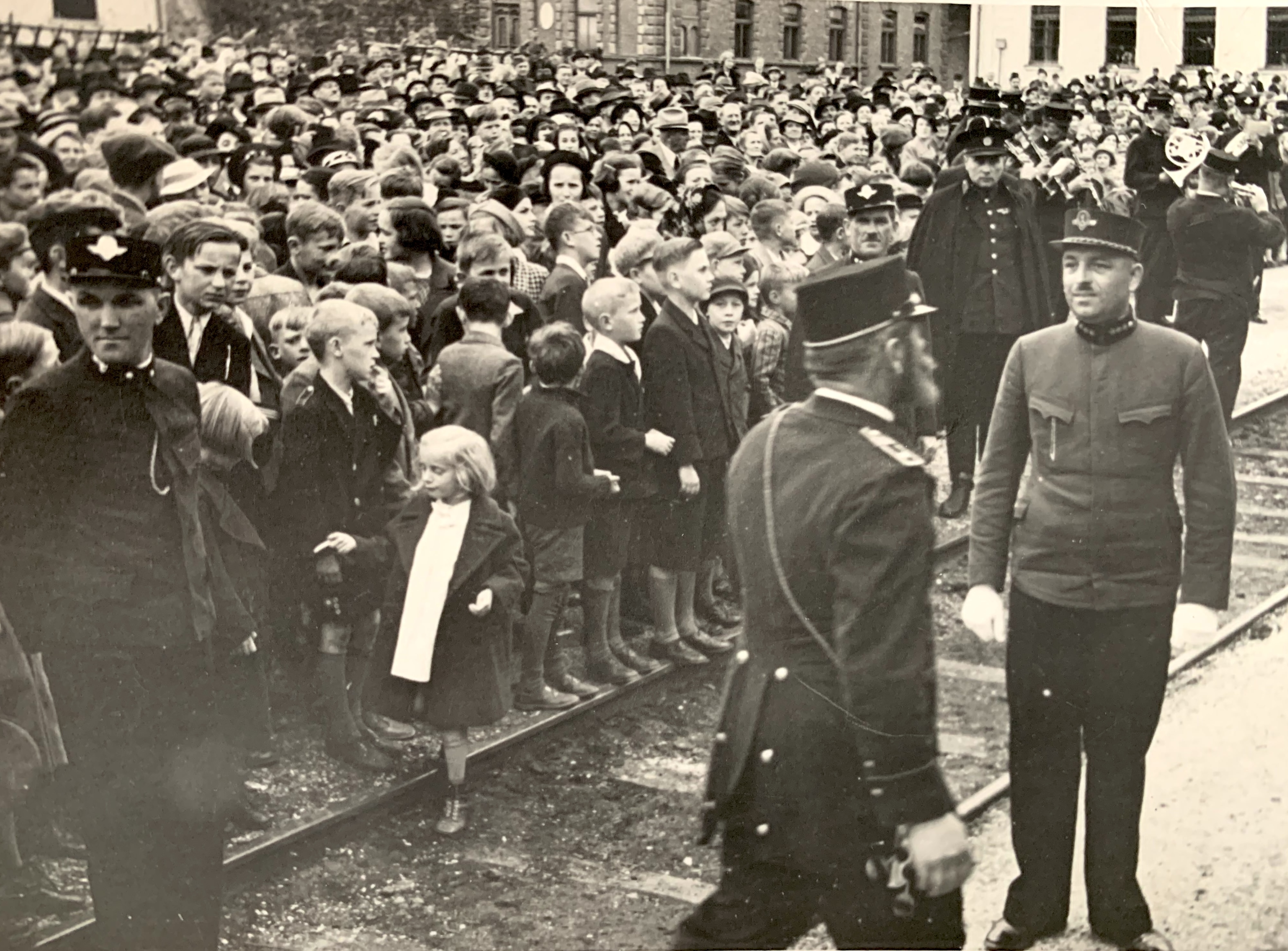
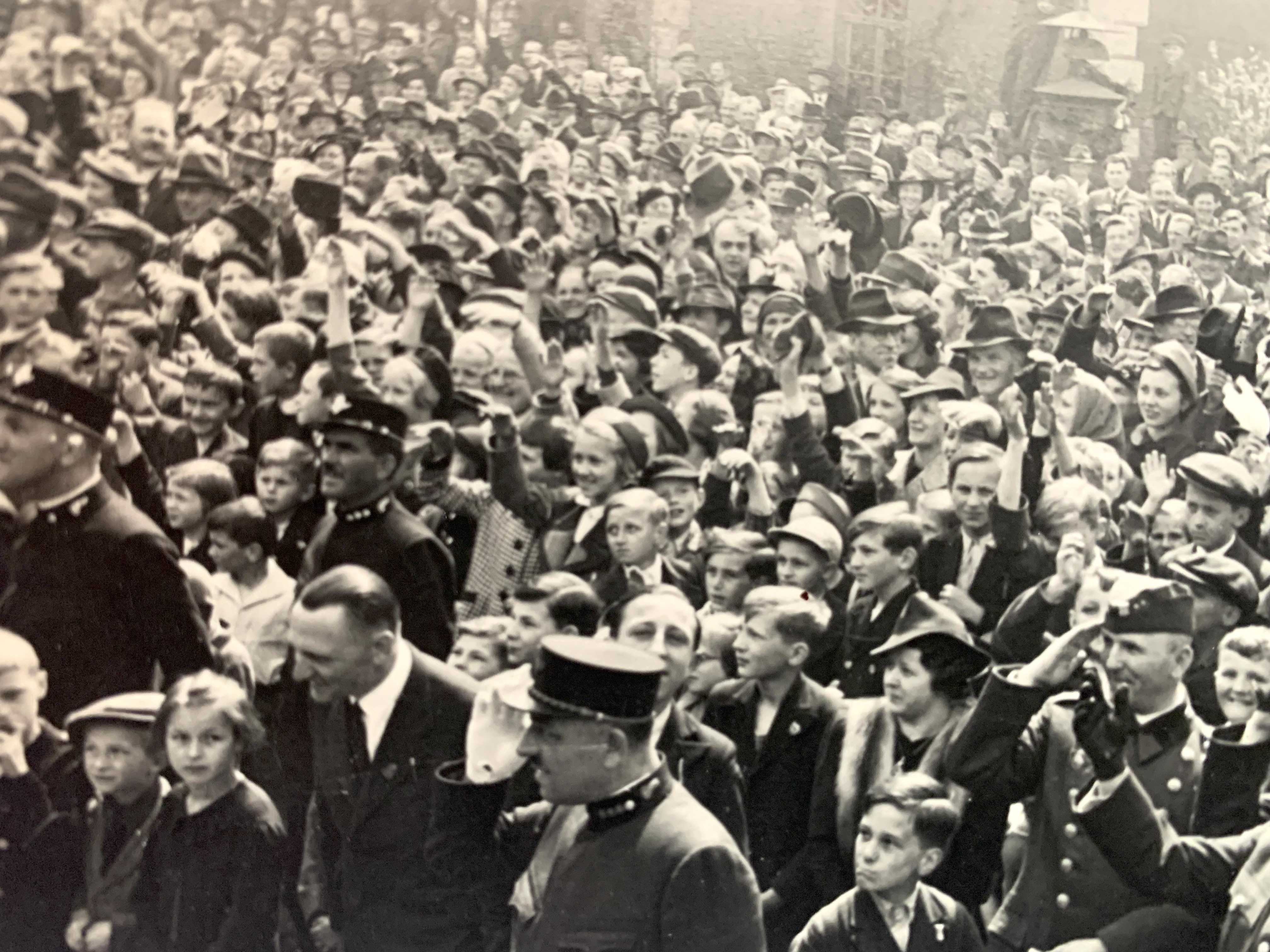
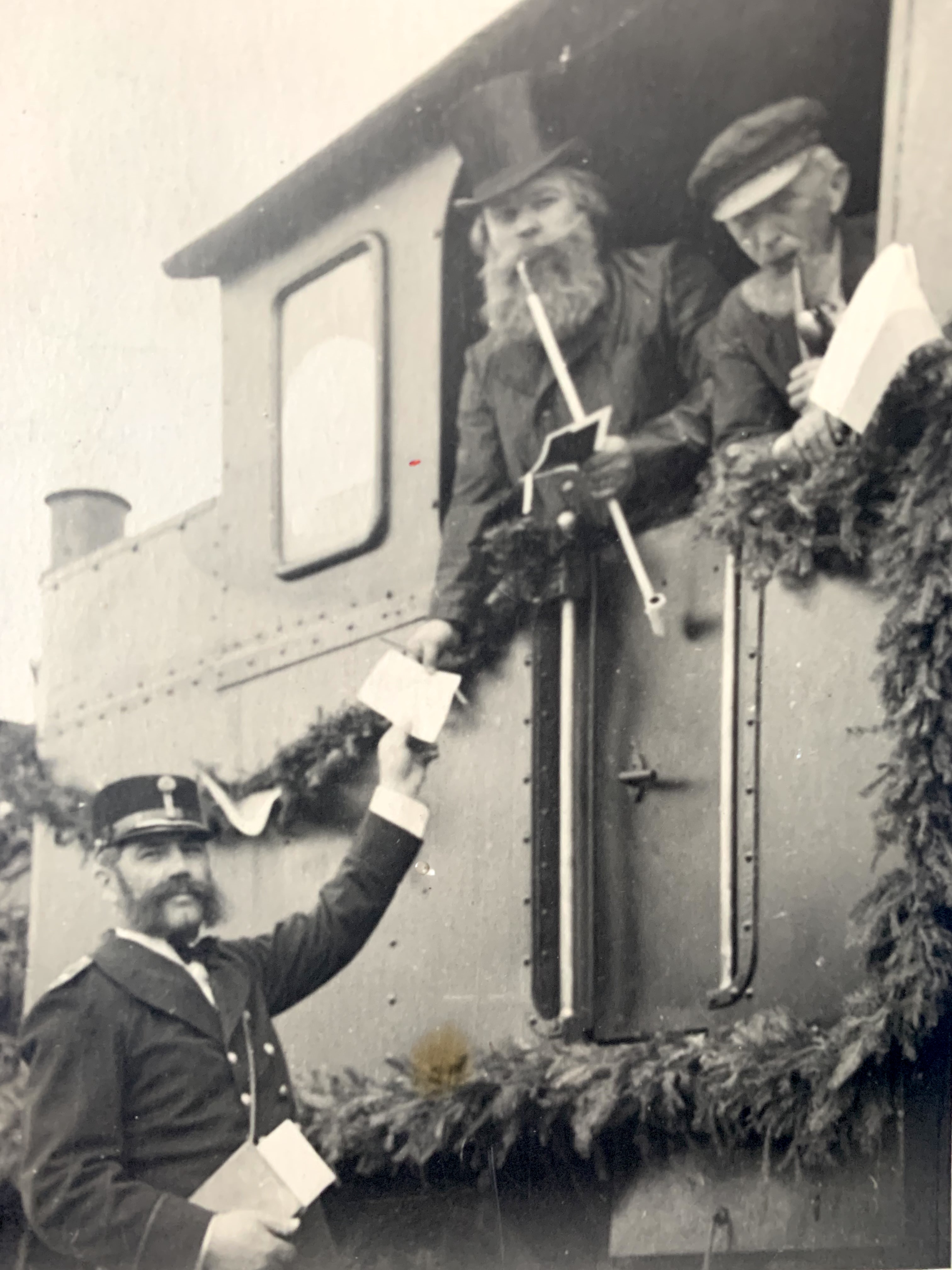
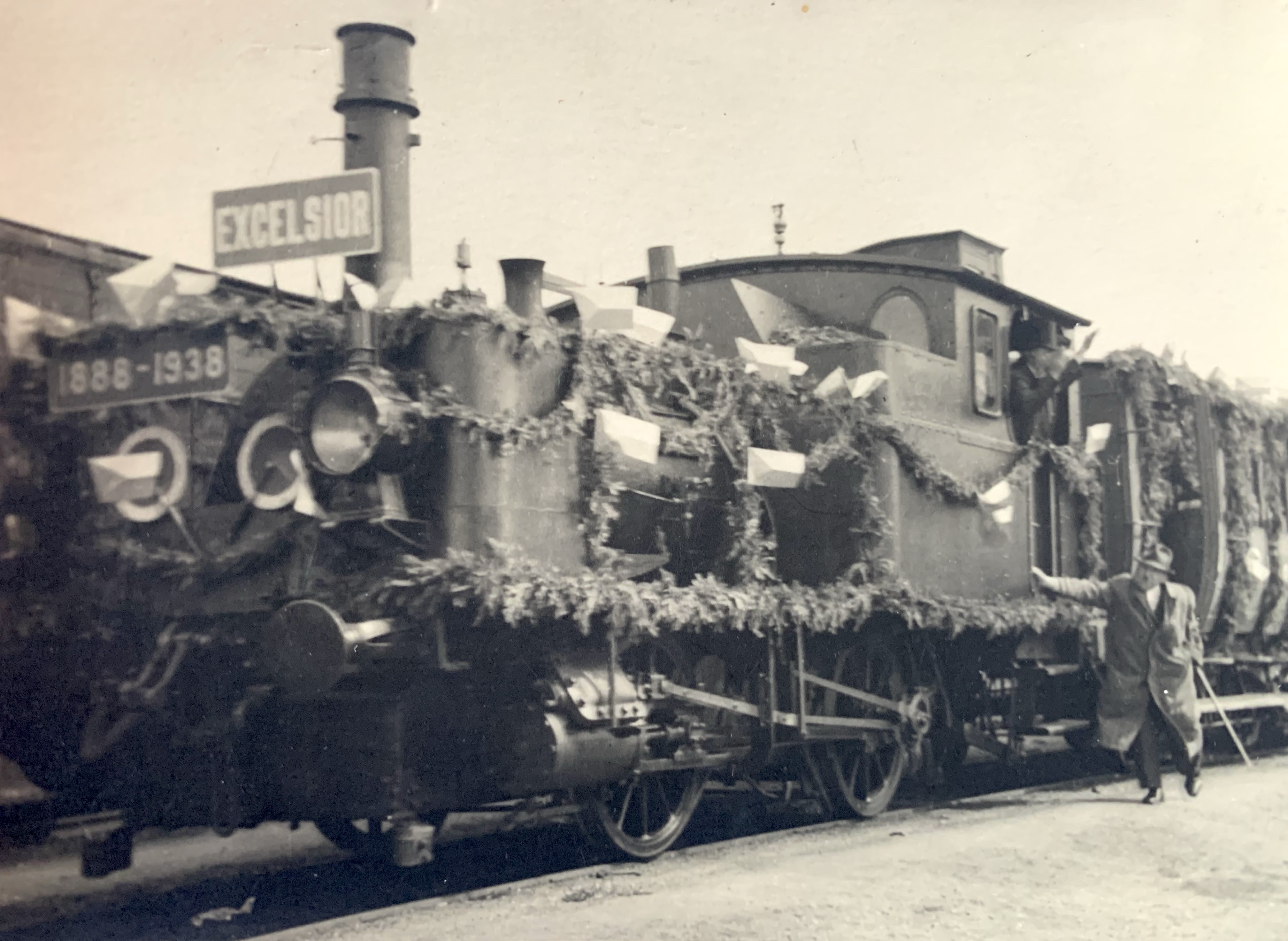
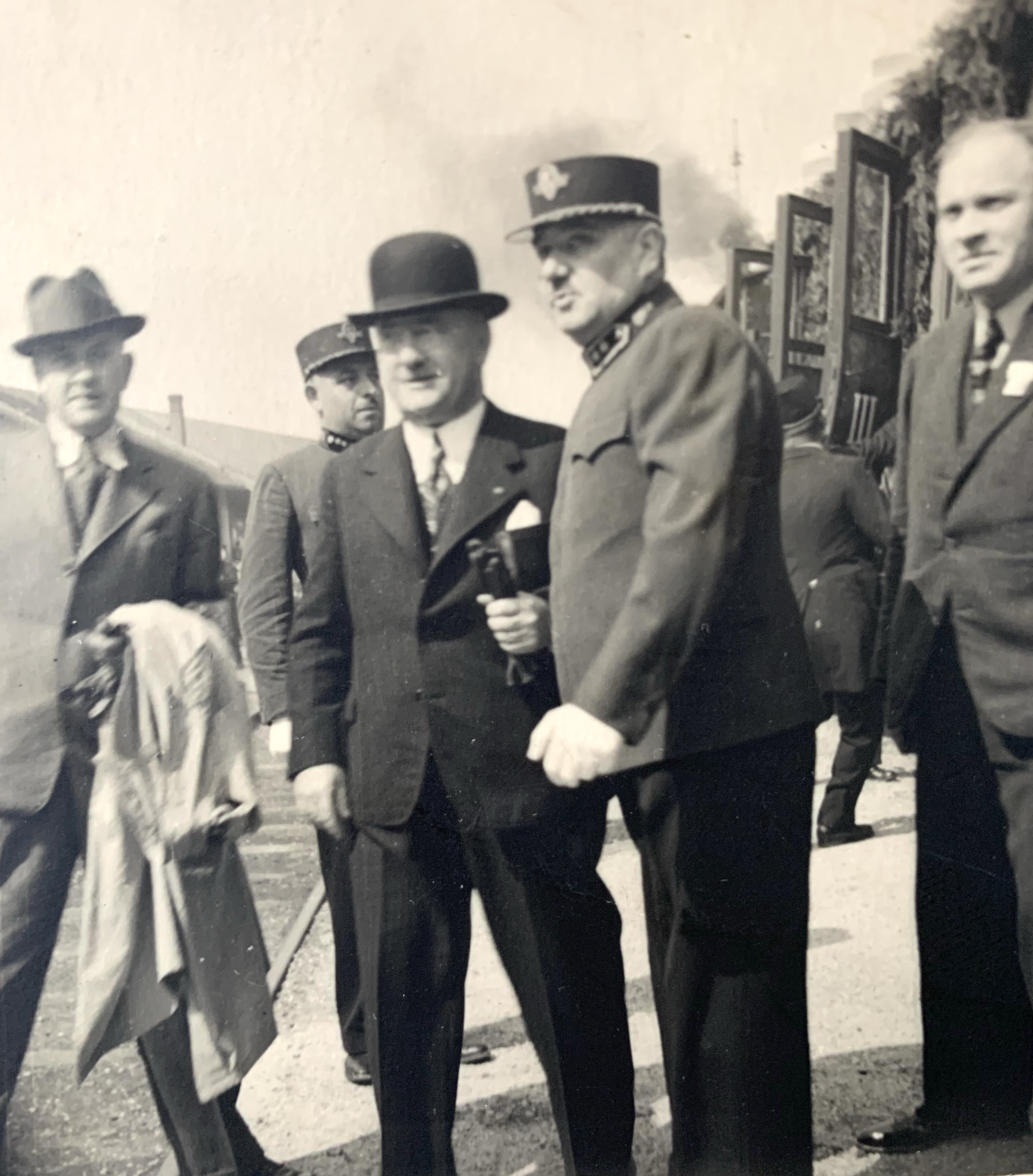
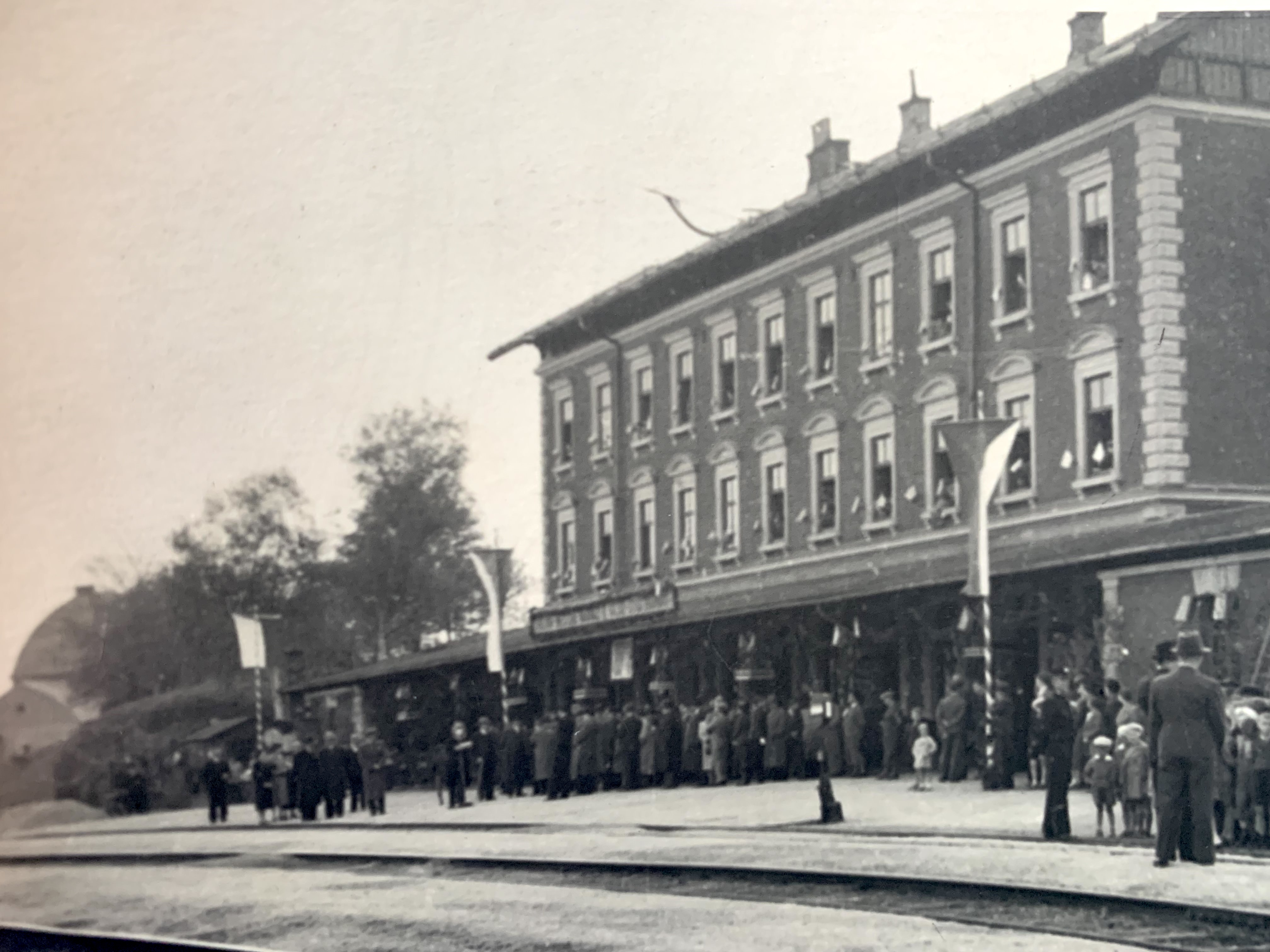
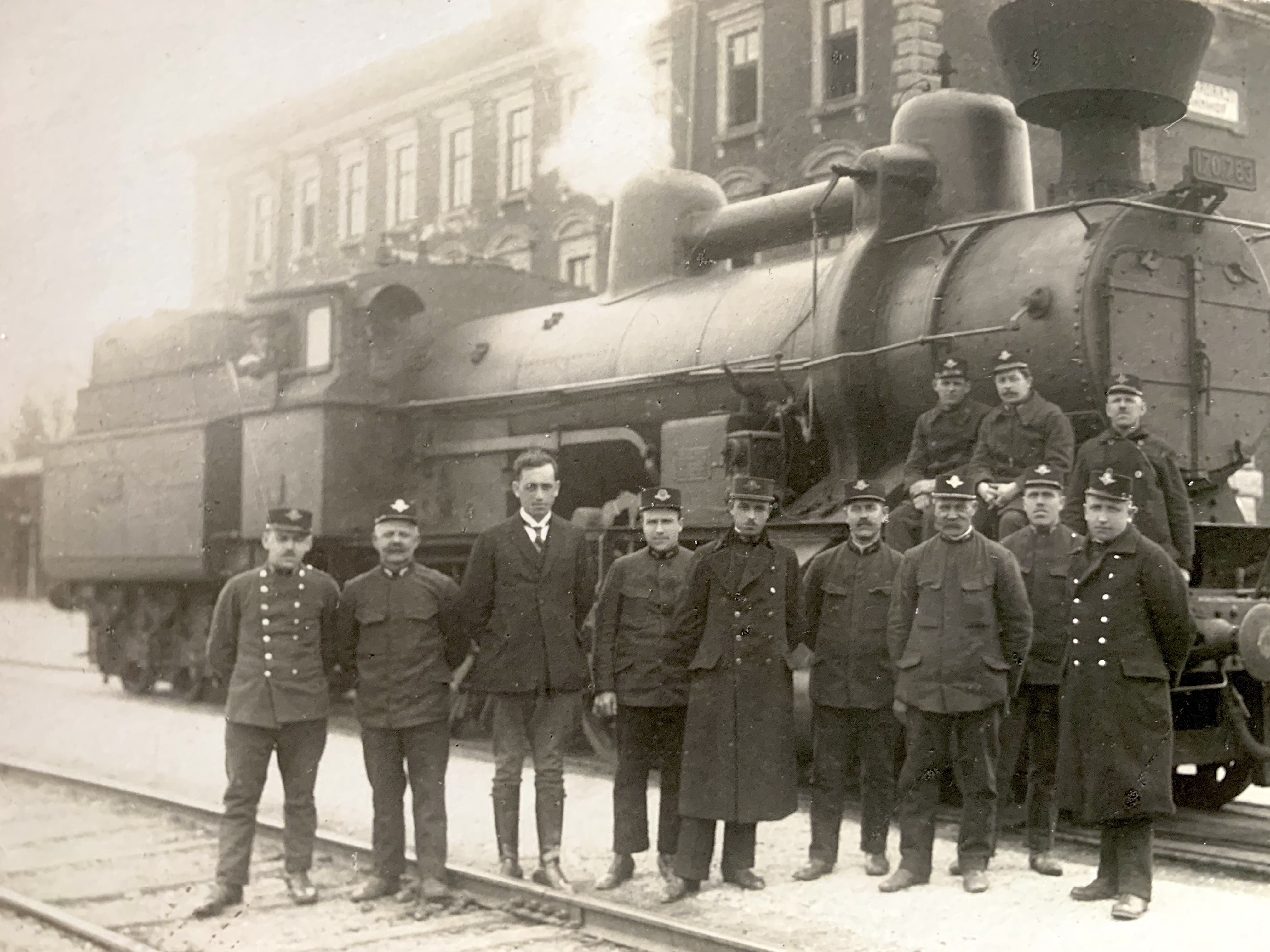
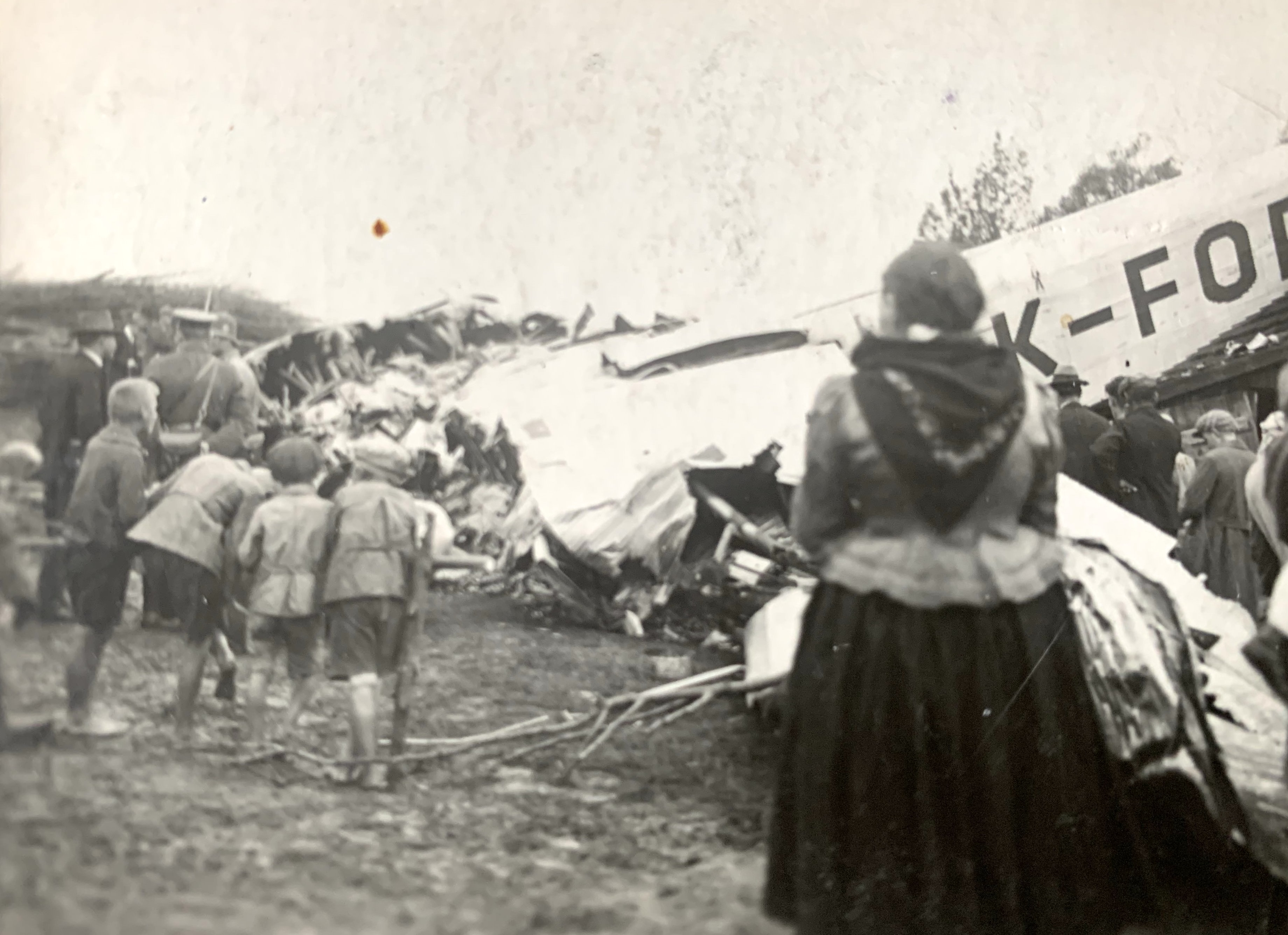
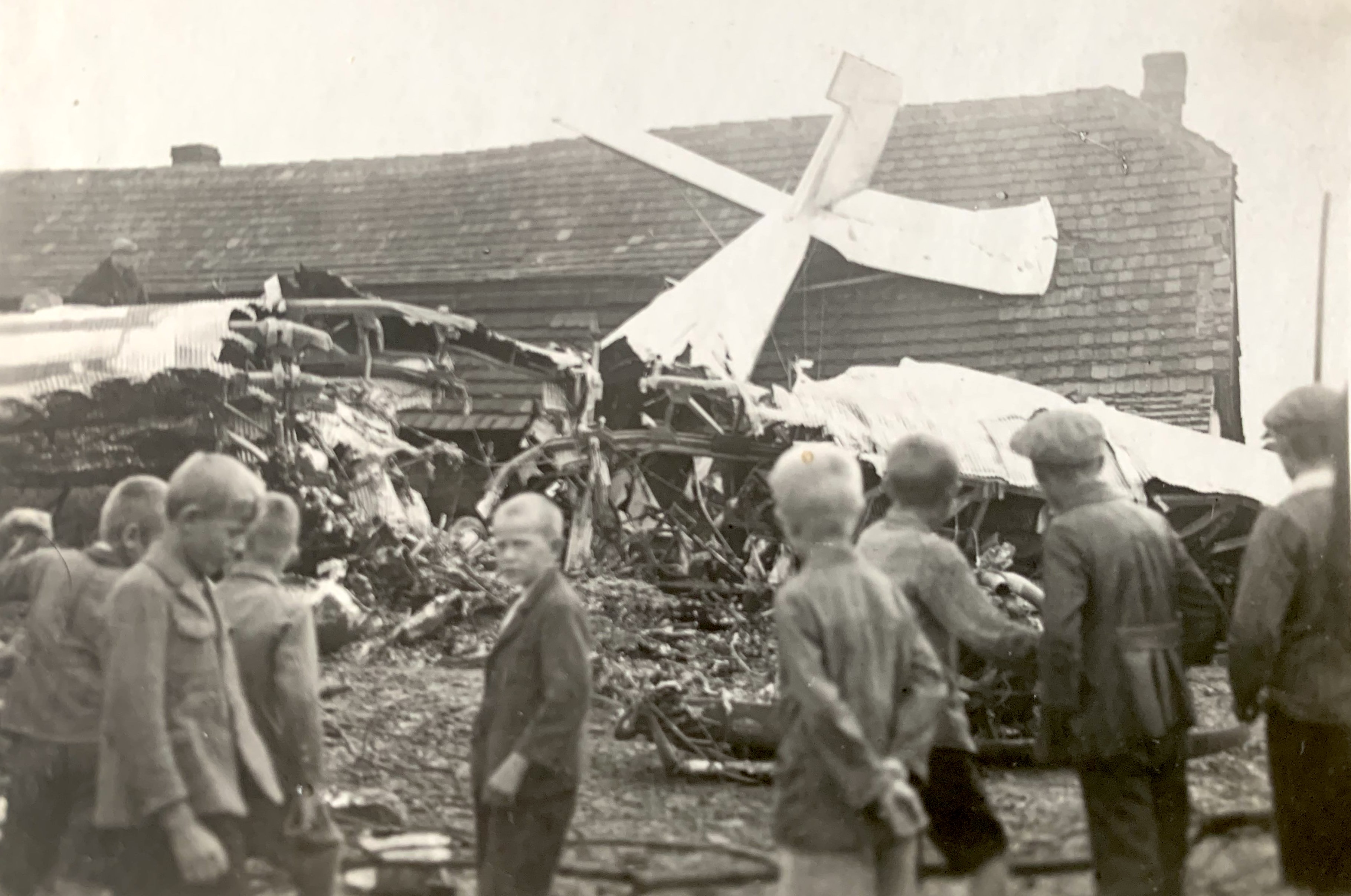
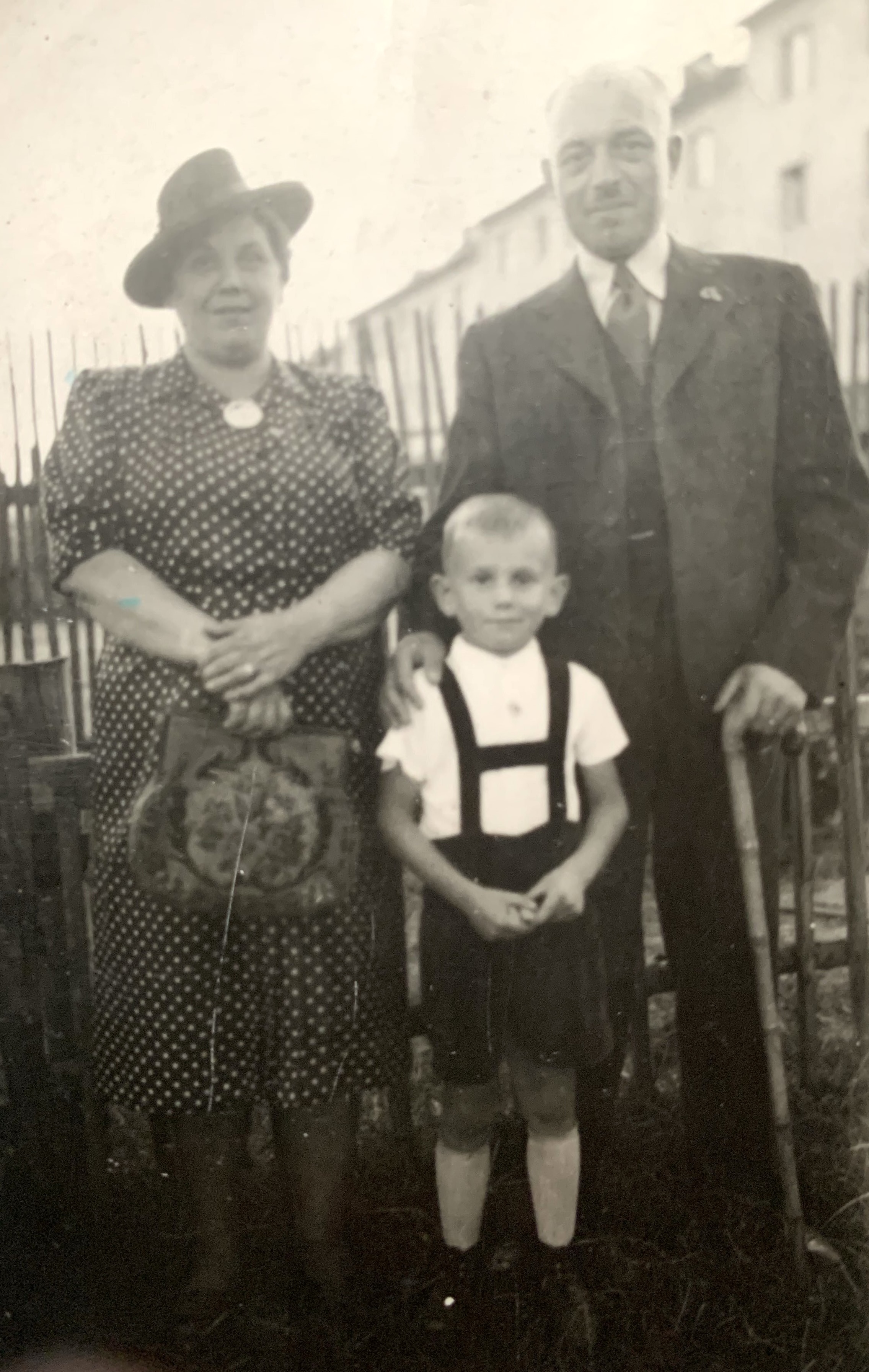
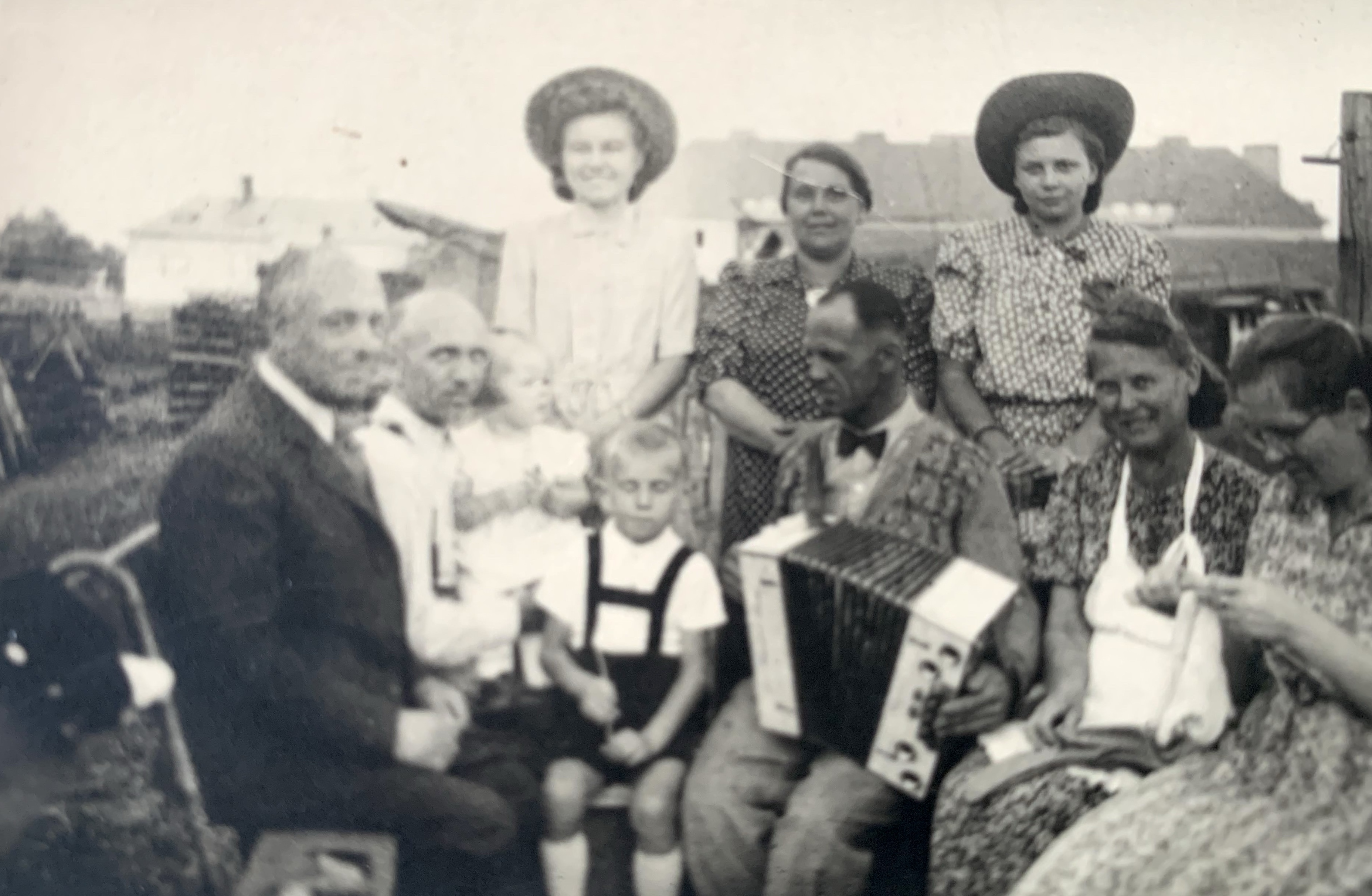
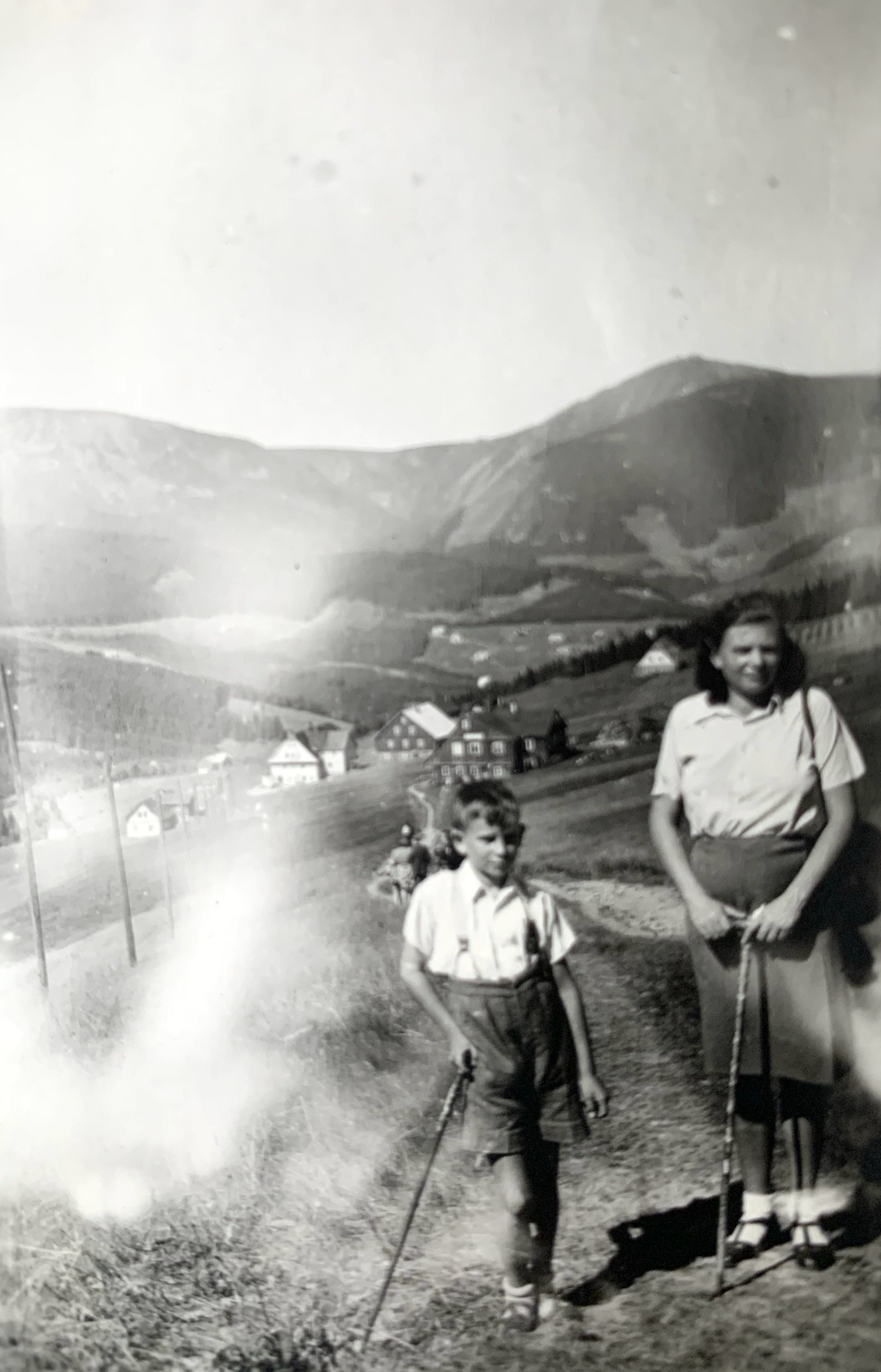
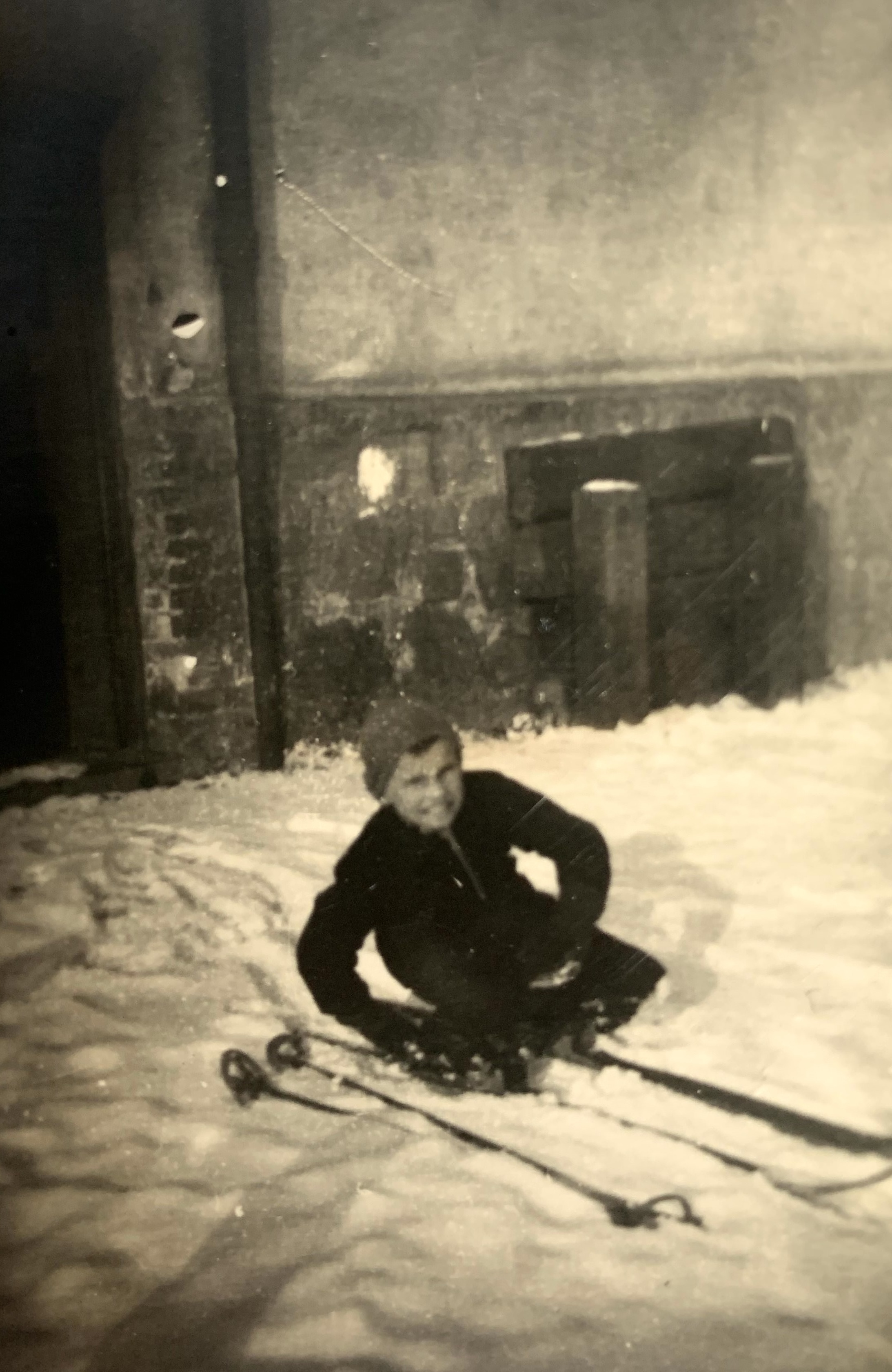
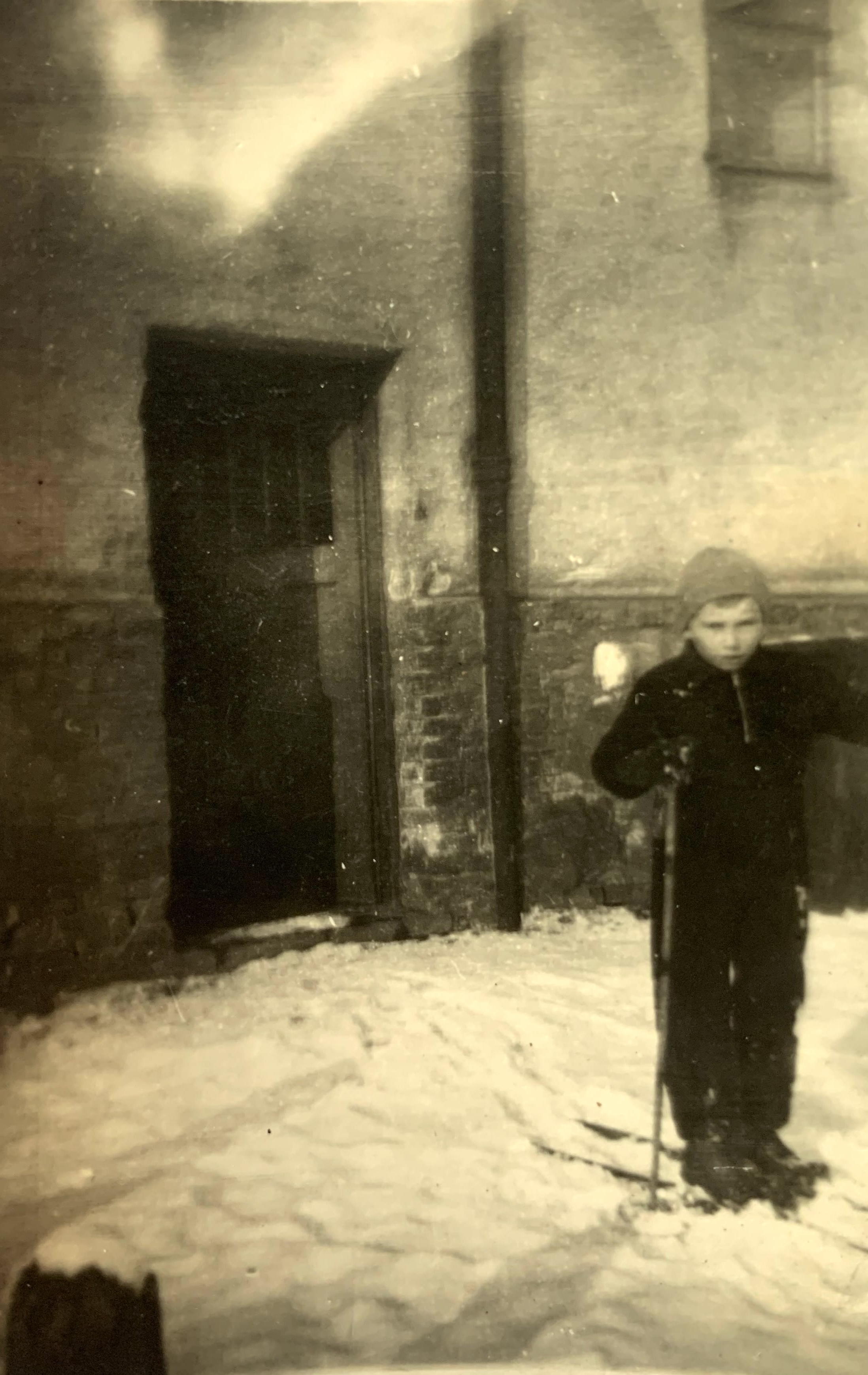
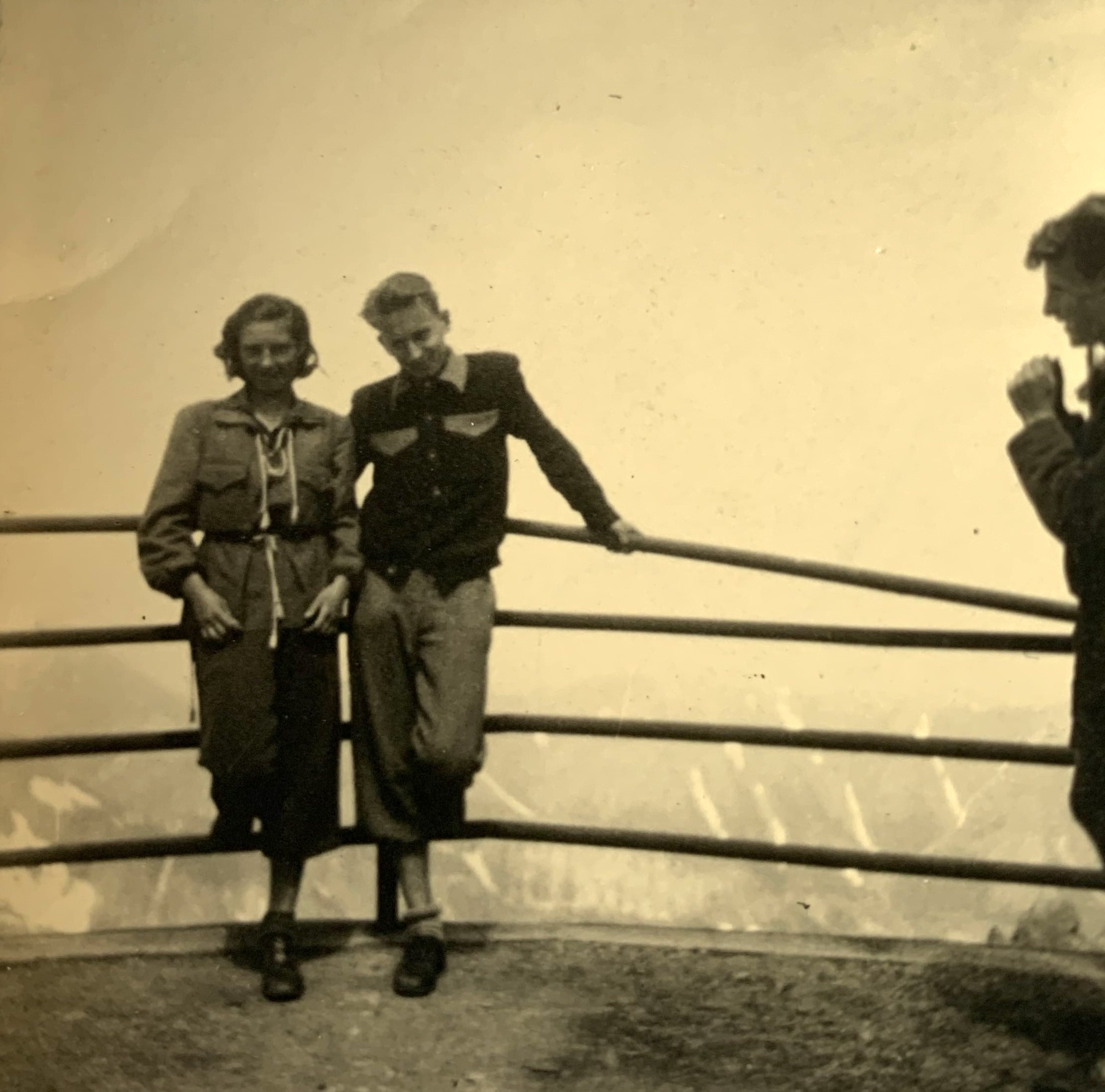
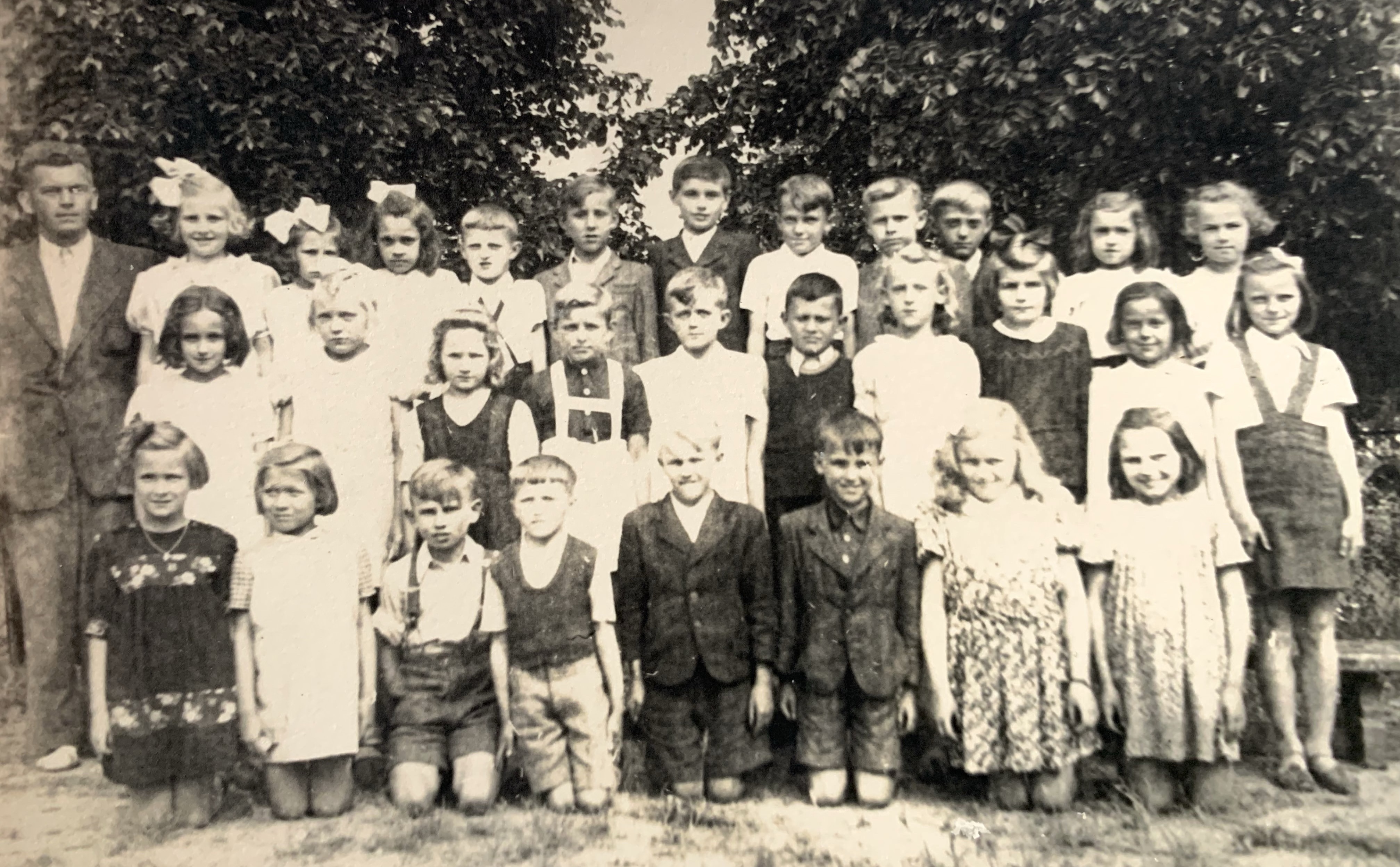
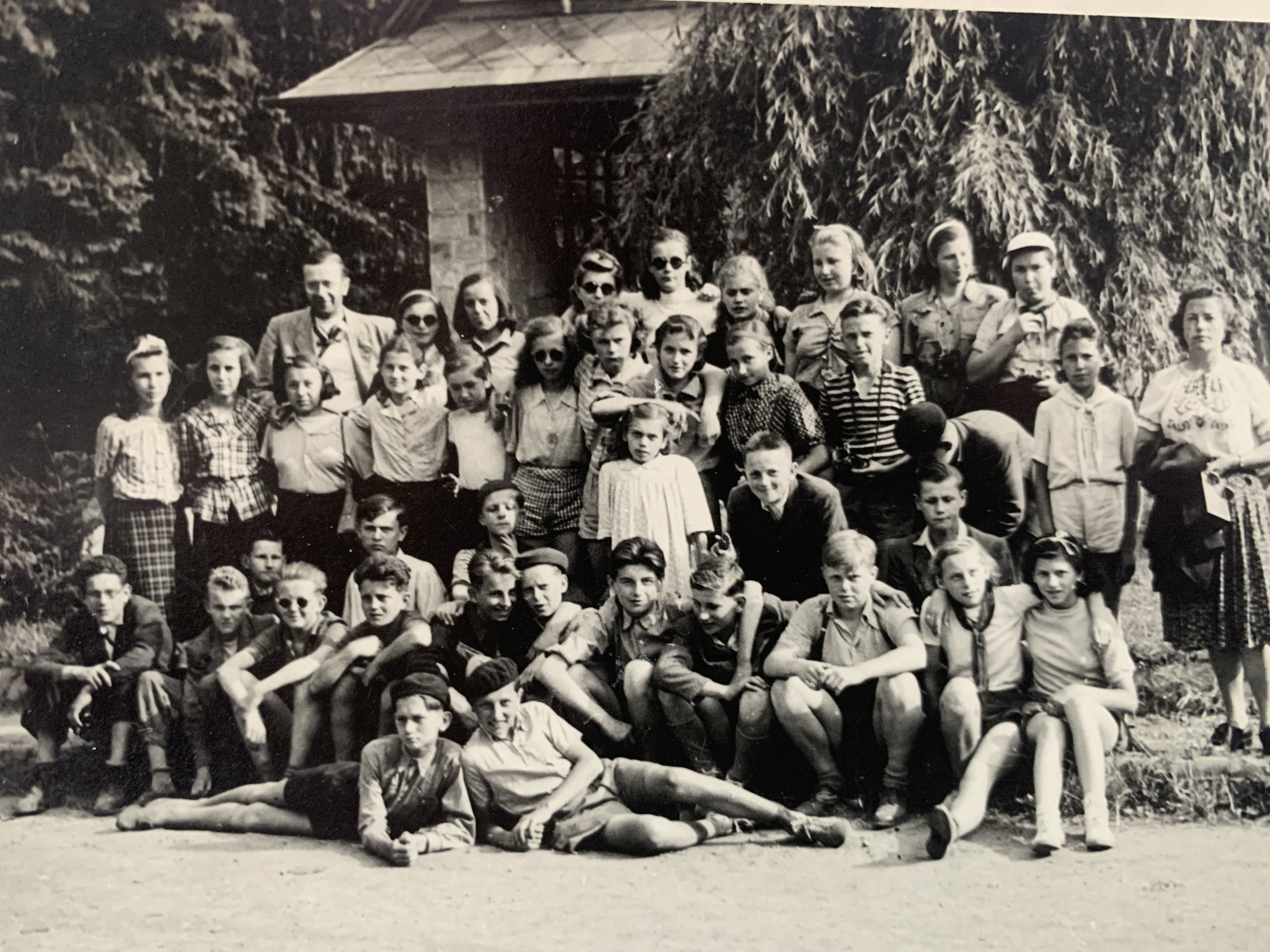
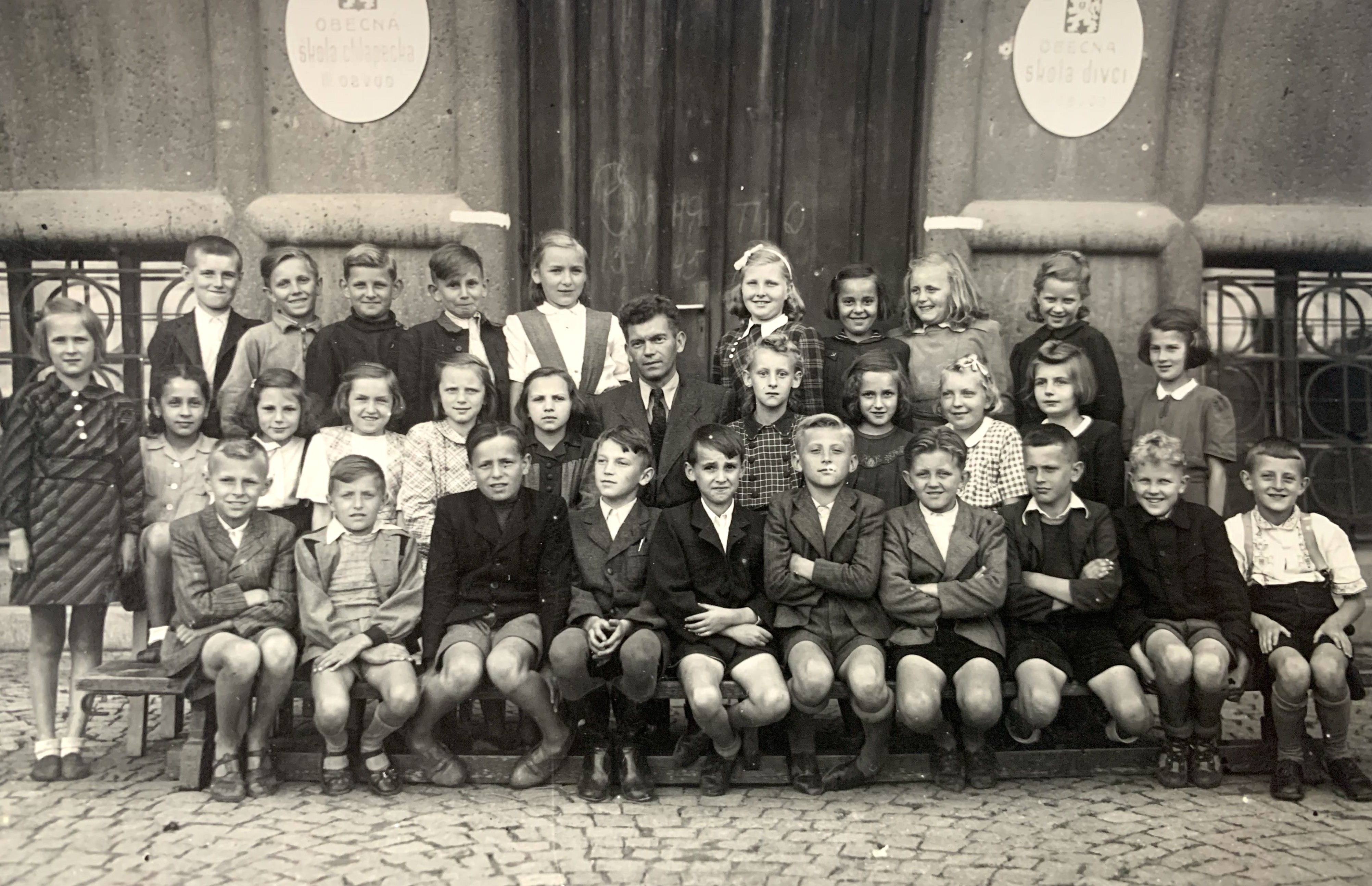
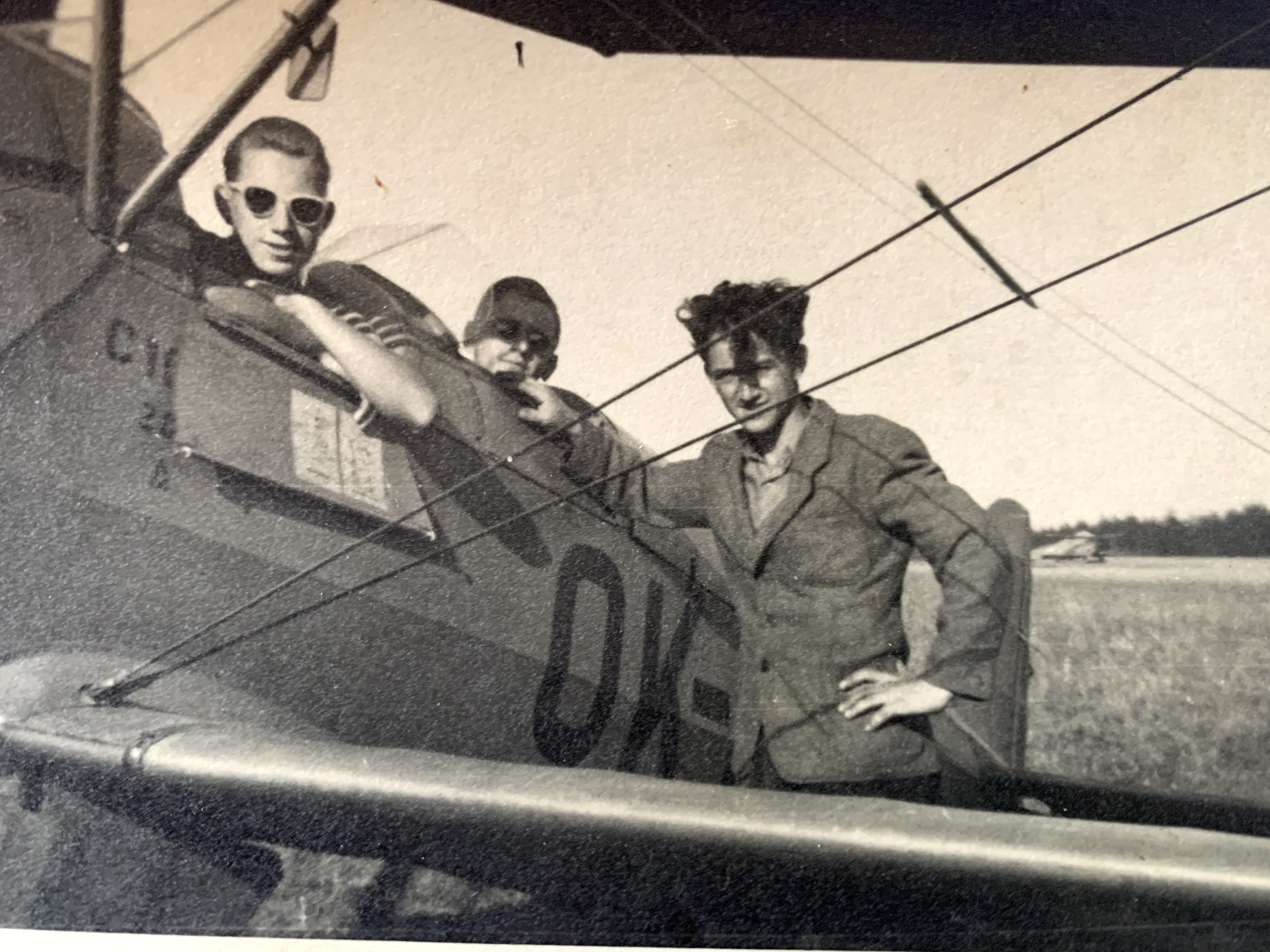
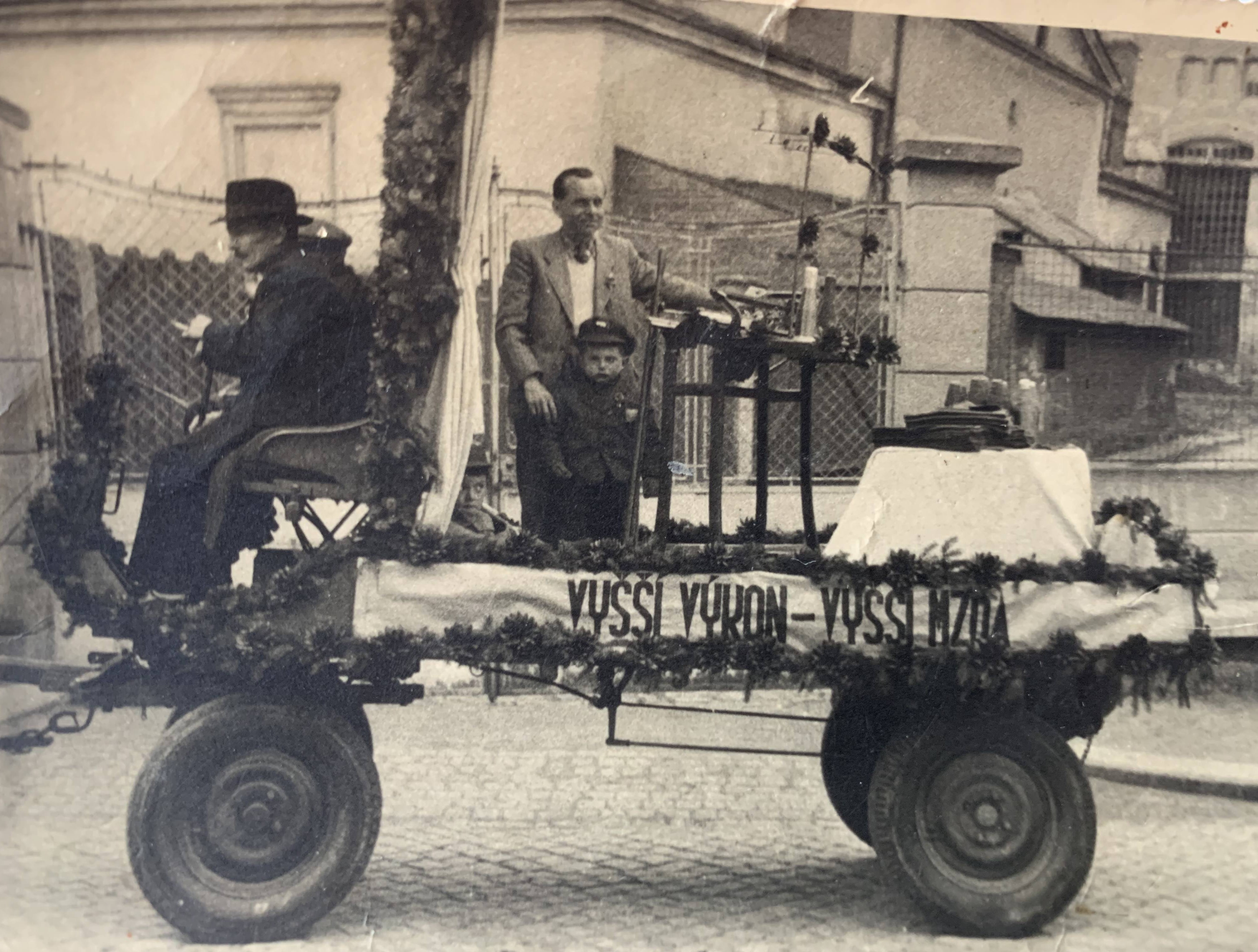
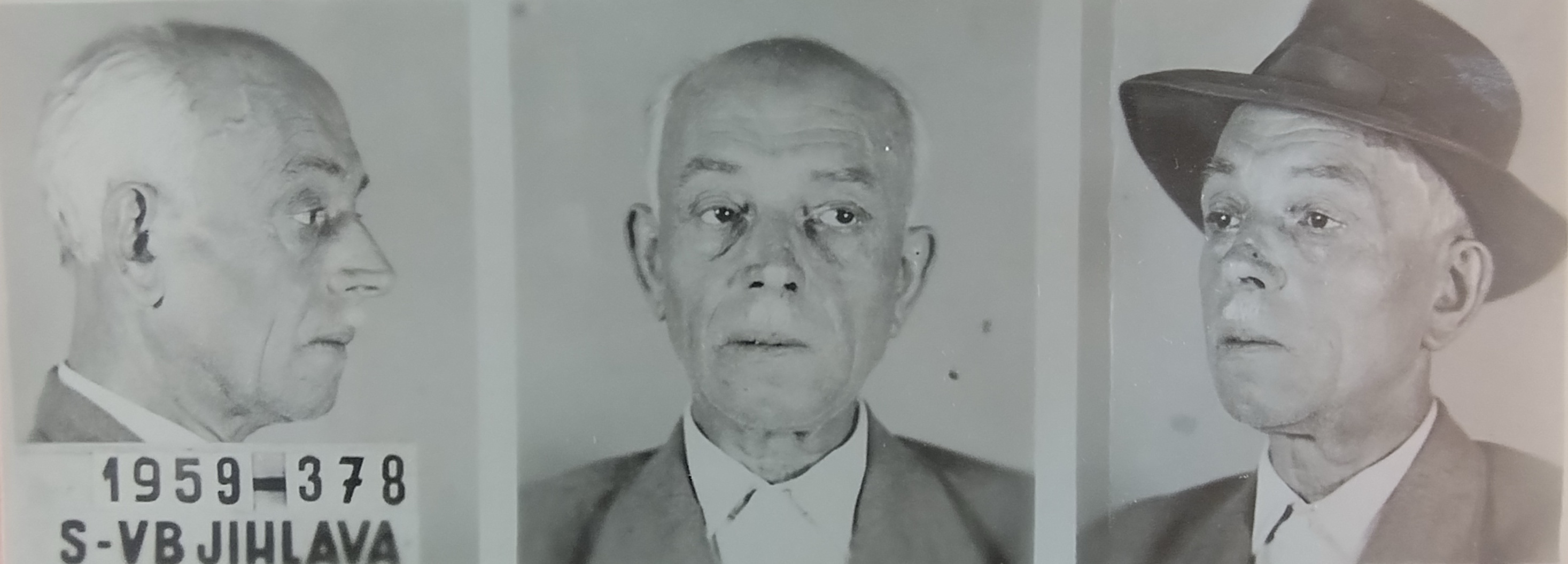
Josef Bartík was born on 11 February 1937 in Jihlava into the family of a railwayman Josef Bartík Sr., who before February 1948 worked as a chief inspector of the Czechoslovak State Railways. His mother, Marie, took care of the household, in which his sister, 16 years older, lived with them. He spent his childhood near the railway station and during the war experienced intermittent schooling, air raids and searches by German soldiers. In April 1945 he saw the aftermath of the explosion of the railway bridge in Helenin. After the war he witnessed the removal of the German population from Jihlava. After 1948, his father lost his job, the family moved out of the service apartment, and in 1959 the Communist justice system sentenced his father to two years in prison for subversion of the republic. Shortly after his release on amnesty (1960) he died. Due to an unsatisfactory background and political report, the witness was unable to apply for high school and apprenticed as a toolmaker at the Jihlavan national enterprise. Gradually he supplemented his education while working. In 1956 he started military service at the command squadron in Kbely. From 1960 he worked at Tesla Jihlava, where he worked his way up to foreman and head of the development workshop. He did not join the Communist Party and concentrated on his profession. Later he switched to construction and gained further qualifications. In November 2025 he was living in Jihlava.